


A roof system is more than just the shingles you see from the street. It’s a combination of carefully engineered components working together to protect your home. At RoofPRO, we believe that understanding the components of your roof system is essential for maintaining your home’s safety, comfort, and value. Understanding these components can help you make informed decisions about maintenance, repairs, or replacements.

Key Components of a Roof System
A roof system is a combination of structural and functional components that work together to protect your home from the elements.
Roof Decking
The roof decking forms the base of the roof system. It provides structural support and serves as the foundation for other components. Common materials used in Maryland homes include plywood and oriented strand board (OSB), both known for their durability and cost-effectiveness.
Underlayment & Sheathing
Underlayment and sheathing are moisture barriers installed between the decking and the roof covering. It helps protect your home from water infiltration caused by heavy rain or ice dams. Two main types are required:
- Synthetic or felt paper: Used for the main portion of the roof decking.
- Ice and Water Shield: Designed for enhanced protection along sensitive areas such as walls, valleys and penetrations.
Flashing
Since most roof leaks start at joints and edges, flashing directs water back onto the roof surface so it can drain safely rather than slipping behind shingles or into the roof deck. Common types include step flashing along sidewalls, counterflashing at chimneys and masonry, valley flashing where two roof slopes meet, and pipe boot flashing around vent stacks. For flashing to do its job, it must be properly layered with underlayment and roofing materials, fastened in the right locations, and sealed.
Ventilation System
When intake and exhaust are balanced, the attic stays closer to outdoor temperature, which reduces summer heat buildup, helps limit winter condensation, and lowers the risk of mold, wood rot, and insulation that loses performance. Common components include soffit vents (intake), ridge vents or static roof vents (exhaust), and in some homes gable vents or powered fans, but the best setup depends on the roof design and how air can travel from the lower attic to the peak. Proper ventilation also supports shingle and underlayment longevity by preventing trapped heat and moisture from stressing the roof deck.
Insulation
Proper insulation enhances energy efficiency by minimizing heat loss in winter and heat gain in summer. It also supports the overall performance of your roof system.
Roof Ridge and Hip Caps
Roof ridge and hip caps are the finishing pieces that seal and protect the most exposed lines on a roof, right where two planes meet. Ridge caps run along the peak, covering the top edges of shingles (or the ridge vent, if the roof has one) to keep wind-driven rain and debris from working underneath the roofing. Hip caps do the same job along the diagonal hips, where roof sections slope together and wind pressure can be especially aggressive.
Gutters and Downspouts
Gutters and downspouts channel water away from your home, protecting the foundation and roof. Regular maintenance is crucial to prevent clogs and water damage.
Soffits and Fascia
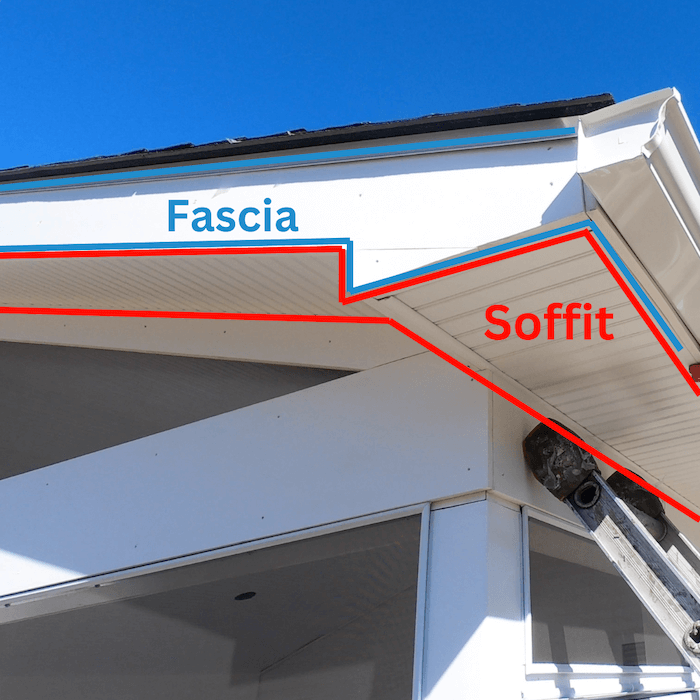
Soffits and fascia are key perimeter components that protect the roof edge and support proper attic ventilation. The fascia is the vertical board (or composite/metal wrap) along the roofline where gutters attach, and it helps create a solid, straight edge for the drip edge and the first courses of roofing. The soffit is the finished underside of the roof overhang, covering the eaves to keep pests and weather out while giving the roof system a clean, finished look. Many soffits are vented, which makes them a major intake source for attic airflow, pulling in fresh air that exits through ridge or roof vents to reduce heat and moisture buildup.
Shingles, Metal Roofing, or Flat Roof Materials
Asphalt shingles are the most common option on pitched residential roofs because they shed water efficiently, install quickly, and come in a wide range of colors and impact ratings. When paired with proper underlayment, starter strips, ridge caps, and ventilation, they create a dependable, layered system. Metal roofing (standing seam or exposed-fastener panels) delivers long service life and strong wind performance, but it relies on precise panel layout, sealed fasteners, high-quality flashing, and the right details at valleys, penetrations, and edges to prevent leaks. Flat and low-slope roofs use membrane or built-up assemblies (like TPO, PVC, EPDM, modified bitumen, or BUR) where waterproofing depends on fully sealed seams, compatible insulation/cover boards, secure edge metal, and well-designed drains or scuppers to move water off the roof.
How Roofing System Components Work Together
At RoofPRO, we specialize in designing and installing Maryland roofs. Our team of experts ensures every component is expertly integrated for maximum performance and durability. Trust us for quality craftsmanship and outstanding customer service.
Each component of a roof system is interdependent. For example, underlayment and flashing protect the decking, while proper ventilation prevents moisture buildup that could compromise insulation.
How Roofing Systems Differ Based on Materials and Slope
- Materials: Asphalt shingles are ideal for steep-slope roofs, while metal roofing suits both low and steep slopes.
- Slope: The pitch of your roof affects material choice and drainage efficiency, which are key considerations for Maryland homeowners.
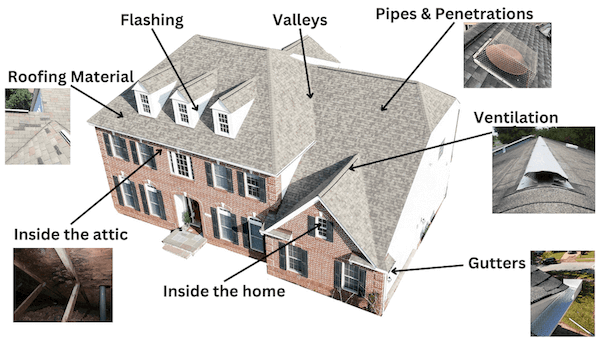
Diagram of Complete Roof Systems
A detailed diagram of a roof system can help homeowners visualize its components. Each part—roofing materials, flashing, pipes and penetrations, attic, gutters, ventilation, and more—works together to provide a seamless protective system.
Common Roofing Issues
Improper Installation
- Signs: Uneven shingles, loose flashing, and exposed nails.
- Impact: Reduced lifespan and increased risk of leaks.
Material Deterioration
- Factors: Damaged material and poor ventilation can increase aging timeline.
- Solution: Regular inspections and proper maintenance or replacement.
Poor Ventilation
- Consequences: Trapped heat and moisture can lead to mold growth, ice dams, and reduced energy efficiency.
- Solution: Upgrade air intake and exhaust for better air flow.
Importance of a Well-Designed Roof System in Maryland’s Climate
Maryland experiences a mix of humid summers, heavy rains, and cold winters, making a durable, well-constructed roof system essential. Proper insulation, ventilation, and drainage systems prevent common issues like water intrusion and energy inefficiency.
Choosing RoofPRO for Your Roof System Needs
RoofPRO brings years of experience and expertise to Maryland homeowners. We pride ourselves on:
- Comprehensive roofing services, from installation to repair.
- Use of high-quality materials tailored to Maryland’s climate.
- Customer-focused service backed by a satisfaction guarantee.
Learn More About Connected Roof Components
Your roof works as a connected system. If you want a quick refresher on how each layer supports the whole assembly, start with Parts of a Roof System. Ventilation choices also shape system performance. Compare common vent types in Difference between Gable, Soffit & Ridge Vent, then see how exhaust strategies stack up in Ridge Vents vs Attic Fans. For everyday intake and exhaust setup, Soffit & Ridge Vents explains how balanced airflow protects shingles, decking, and underlayment.
Penetrations require careful planning. If you have plumbing or mechanical stacks, read What You Should Know About Pipes on Your Roof for practical guidance on sealing and maintenance. To understand how larger mechanical units change loads and waterproofing details, review Roof Mounted HVAC Systems. For a concise refresher on part names and functions, see Essential Roof Components.
If you would like a Maryland roofing specialist to review your roof as a complete system, schedule an inspection. We will document components, ventilation, and penetrations, then give you a clear plan for repairs or upgrades.
FAQs About Roof System Components
Look for leaks, damaged shingles, sagging areas, and rising energy bills. An annual inspection from a roofing professional can help you identify any additional issues, saving you significantly over the long run.
Yes, we offer energy-efficient materials and systems tailored to your home’s needs. If there are issues with your ventilation or insulation, RoofPRO will fix it and help you lower your energy bills.
Underlayment is a protective layer installed beneath the roofing material to prevent water infiltration and provide an additional barrier against the elements.
Roof ventilation systems include intake vents (like soffit vents) and exhaust vents (like ridge or box vents). These components work together to regulate airflow, preventing moisture buildup and controlling attic temperature. It allows the cooler air in at the eaves and the hotter, more humid air to exit at the peak via a ridge vent or fan.
Contact RoofPRO for Expert Roof System Installation
Don’t leave your roof to chance. Contact RoofPRO today for expert installation, repair, or maintenance services. Call us or fill out our online contact form to schedule a consultation. Let us help protect your home with a reliable roof system!