



A roof can have real damage long before it looks bad from the ground. That is what makes hidden roof damage so frustrating for homeowners. The roof may still look mostly normal from the driveway, but moisture can already be moving beneath shingles, around flashing, or into the attic.
Across Maryland, roofs take abuse from wind, rain, hail, humidity, and seasonal temperature swings. Those conditions can loosen roofing materials, open up weak points, and create damage that stays out of sight until the problem gets worse. By the time you notice a stain on the ceiling or water near a wall, the issue may have already spread farther than expected.
Knowing what to look for can help you catch trouble earlier, avoid larger repairs, and make better decisions about what your roof actually needs.
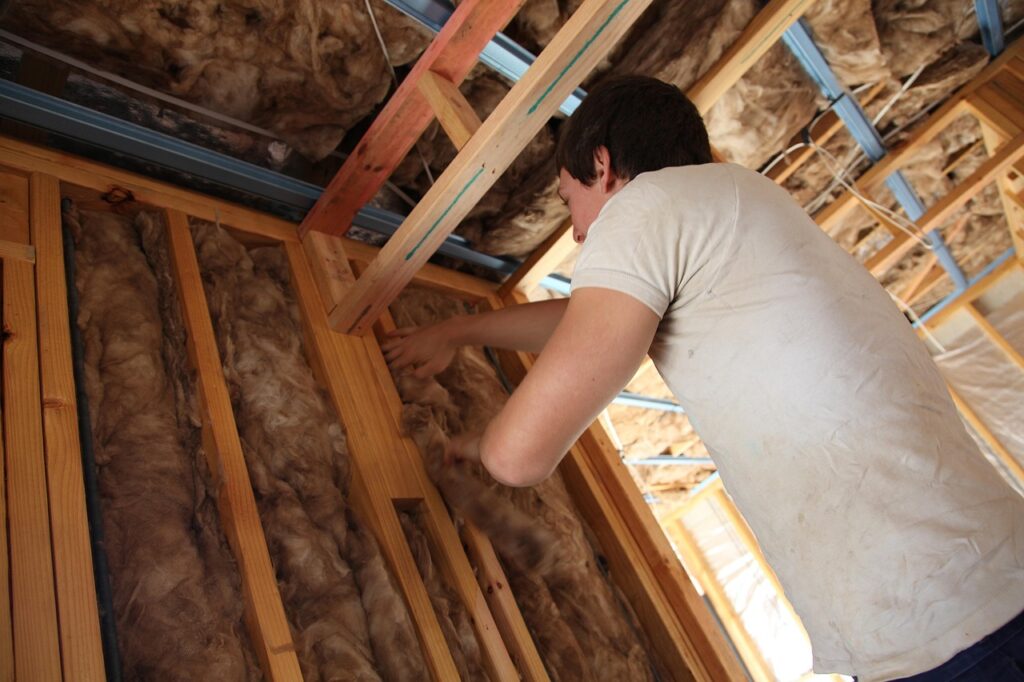
Why Hidden Roof Damage Gets Missed
Some roofing problems are obvious. Missing shingles, fallen branches, visible sagging or attic leaks are usually get attention fast. Hidden problems often start in places homeowners cannot clearly see from below.
Water may get in around flashing, roofing penetrations, valleys, or edges. Shingles may loosen without fully blowing off. Hail can weaken a roof without leaving damage that stands out from the yard. In other cases, moisture builds in the attic because of poor ventilation, which creates signs that look like a roof leak even when the bigger issue is trapped humid air.
That is why hidden roof damage is easy to underestimate. The visible signs often appear late, while the real problem has already been developing behind the scenes.
Another area homeowners often overlook is the parts of the roofing that were repaired before. Older patchwork, mismatched shingles, reused flashing, and sealant-heavy fixes can become weak points long before the rest of the roof fails. In some cases, a prior repair may have stopped the immediate leak without truly correcting the underlying issue. That can leave hidden openings in place and make the roof look better than it is.
These repaired areas deserve extra attention after storms and as the roofing gets older. Materials expand, contract, and wear at different rates, especially when one section was repaired at a different time than the rest of the system. What looked like a successful fix years ago may now be the first place water starts getting back in.
Damage Detection Homeowners Miss
Damage detection often comes down to knowing where subtle warnings tend to appear first. The issues below are some of the most commonly missed clues that can point to roof damage developing before it becomes obvious from the ground or inside the home.
Lifted or Loosened Shingles
A shingle does not have to be missing to be a problem. Wind can lift shingles just enough to break their seal or create a small path for water intrusion. Improperly installed solar panels can crack shingles than mask the damage. From afar, the roofing may still look fine. Up close, the system may already be more vulnerable to leaks.
Flashing Failures Around Roof Details
Flashing protects some of the most leak-prone parts of the roof, including chimneys, skylights, vent pipes, and wall transitions. Small separations, failed sealant, or loose metal edges can let water in slowly over time. These are easy problems to miss unless the roof is inspected carefully.
Damage Around Edges and Drainage Areas
Some of the most important warnings do not show up in the middle of the roof at all. Hidden damage often starts showing itself around gutters, fascia, soffit, and roof-to-wall transitions where water is supposed to exit cleanly. Staining on fascia boards, soft or discolored soffit areas, peeling paint near the edge, and heavy granule buildup in gutters can all point to moisture problems that are developing out of sight. Overflow patterns, streaking, or recurring debris buildup may also suggest that water is not moving off the roof the way it should.
These edge-related clues matter because roof damage often spreads outward before it becomes obvious inside the home. When drainage is disrupted or water keeps backing up near the perimeter, the problem can start affecting trim, siding, and wood components long before a major interior leak appears. That is why the edges of the roofing deserve just as much attention as the shingles themselves.
Hail Damage and Granule Loss
After a storm, a roof may not show dramatic damage from the street. Even so, hail can bruise shingles, loosen protective granules, and weaken the material beneath the surface without creating obvious holes or missing sections. That kind of impact can shorten the life of the roof even when the damage does not stand out right away from below. Granule loss in gutters is often one of the first clues that the surface has taken a hit, but it is not the only sign. Subtle soft spots, surface disruption, and scattered impact marks can all point to storm damage that deserves a closer inspection.
This is one reason hail damage is so easy for homeowners to underestimate. A roof can still look mostly intact while the protective outer layer has already been compromised. Once that happens, the roofing system becomes more vulnerable to future weather, water intrusion, and faster wear over time.
Soft Roof Decking
Sometimes the real damage is below the surface. Moisture can weaken the deck and supporting materials long before the shingles look severely worn. Soft decking is a serious issue because it points to ongoing moisture intrusion and can lead to larger structural concerns if ignored.
Attic Moisture and Ventilation Problems
Not every moisture issue starts with an obvious opening in the roof. Poor attic ventilation can trap warm, damp air under the roof deck. That can lead to condensation, wet insulation, staining, wood deterioration, and mold-related concerns. If the attic is damp or musty, the roofing system and the roof ventilation setup both need attention.
Roofing Nail Pops and Small Openings
Fasteners can back out over time. That creates small raised areas and tiny openings that allow water to work into the system. These problems are not dramatic, but they can lead to roof leaks and premature wear when left alone.
What You Can Check From the Ground
A ground-level review is still a good place to begin. Walk around the property and scan your roof from different angles. Use binoculars if needed, but do not climb up.
Look for:
- Missing, cracked, curled, or uneven shingles
- Dark patches or sections that look different from the surrounding roof
- Bent or worn flashing
- Debris collecting in valleys
- Sagging lines or irregular sections
- Granules building up in gutters or near downspouts
A simple visual check from the ground will not reveal every issue, but it can help you catch warning signals that deserve a closer inspection.
Signs Problems May Already Be Showing Inside
One of the biggest mistakes homeowners make is only looking at the exterior. Some of the clearest warning signals show up indoors first. It is also important to remember that interior signs do not always line up directly with the point where water entered the roof. A stain on a ceiling or wall may show up several feet away from the actual source of the problem because water can travel along framing, decking, and fasteners before it becomes visible. That is why interior clues are important, but they should not be treated as exact proof of where the roofing failure started.
Irregularities to keep an eye out for:
- Water stains on ceilings or upper wall surfaces
- Discoloration around trim or corners
- Damp, stained, or compressed attic insulation
- Musty smells in the attic
- Visible mold or dark staining on wood
- Light coming through the roofing deck
- Unexplained changes in indoor comfort or energy bills
These signs do not always tell you exactly where the roof is failing, but they do tell you it is time to investigate.
How Water Travels Through a Roof System
A leak does not always drip straight down from the place where water enters. Water can move along rafters, decking, fasteners, and framing before it becomes visible inside the home. That is one reason hidden leaks are hard to track.
A stain on a bedroom ceiling may not mean the problem is directly above that room. The entry point could be higher on the roofing system, near a valley, around flashing, or close to another weak detail. Without a thorough inspection, it is easy to fix the symptom while missing the actual source.
How Professionals Confirm Hidden Damage
A professional roof inspection goes beyond spotting obvious wear from the ground. The goal is to connect small warnings into a clear diagnosis. That often means checking whether shingles have lifted, creased, or lost their seal, examining flashing around chimneys, walls, skylights, and vent pipes, and looking closely at valleys, edges, and other areas where water tends to collect or change direction. On the inside, a good inspection should also include the attic, where moisture trails, dark staining, damp decking, compressed insulation, and poor ventilation often help explain what is happening above.
This matters because hidden roof damage is rarely confirmed by one symptom alone. A stain on a ceiling, granules in a gutter, and a weak flashing detail may all point back to the same problem, but only if someone knows how to connect them. That is what separates a real diagnosis from a quick guess. The goal is not just to find where water showed up, but to identify how it got in, how far it spread, and what needs to be fixed to keep it from coming back.
Why It’s Hard To Spot Hidden Storm Damage
In Maryland, strong wind, heavy rain, hail, and fast weather shifts can all create hidden problems. A storm does not need to tear off half the roof to create a problem. Sometimes it only takes one lifted shingle, one loosened flashing detail, or one damaged section of underlayment.
That is why a roofing can look mostly normal after a storm and still need attention. Hidden problems often starts small, then gets worse with the next round of weather. If the issue is not caught early, the repair usually becomes more involved and more expensive.
What Hidden Issues Can Lead To
Small roofing problems rarely stay small. Once moisture gets into the system, it can move beyond the roof itself and start affecting other parts of the home. What begins as a minor opening or a weak detail can turn into dark spots, wet insulation, damaged drywall, wood rot, and even mold growth if the issue is left alone for too long.
It can also affect how well the home performs. Wet insulation and compromised roofing materials can make it harder to control indoor temperatures, which may lead to higher energy bills over time. In many cases, the longer the damage goes unnoticed, the more it shortens the life of the roof and the more expensive the repair becomes. That is why early action matters. Fixing a smaller problem is usually much simpler than dealing with the chain reaction that follows.
What a Professional Inspection Should Cover
Good roof inspections should do more than point out one visible problem. It should look at how the entire roofing system is holding up and whether there are signs of failure in the areas that tend to cause trouble first. That includes the condition of the shingles or other roofing materials, the flashing around vents, chimneys, skylights, and transitions, and the way water is moving through valleys, edges, and drainage paths.
A thorough roof inspection should also consider the age of the roofing, patterns of wear, signs of wind or hail damage, and any areas that appear to have been repaired before. Just as important, the inspection should connect what is happening outside with what is being seen inside the attic or upper parts of the home. Moisture stains, damp insulation, or other attic clues can help explain how long the problem has been developing and how far it may have spread. The goal is not just to spot damage but to understand the source, the extent, and the best way to address it before it gets worse.
Why Experience Matters When Diagnosing Roof Problems
Roofing issues are not always obvious. Two leaks can look similar inside the house but come from completely different causes. One may be storm-related. Another may be tied to flashing failure, poor workmanship, aging materials, or attic moisture.
That is why experience matters. A good roofer knows how roofing layers work together, how materials fail over time, and how to connect scattered warnings into a clear diagnosis. Without that experience, it is easy to miss the real problem or recommend the wrong fix.
When It Is Time to Call a Professional
Some situations deserve more than a quick look from below. If your home has been through a recent storm, if you are seeing stains or moisture inside the home, or if the attic smells damp or musty, it is a good time to have the roof checked. The same is true if you notice granules collecting in the gutters, sections that look uneven or worn, or recurring issues that never seem fully resolved.
Older roofing systems should also be watched more closely, especially if they have not been inspected in some time. In many cases, one professional inspection is enough to identify the cause and recommend the right roofing repair. In other cases, the damage may be subtle enough that follow-up review makes sense. Either way, getting a clear answer early is usually the best way to avoid a much larger repair later.
This is especially true after strong wind or hail events. A roof does not have to be actively leaking to need attention after a major storm. Hidden problems often starts small and gets worse with time, which means the safest time to catch it is before the next round of weather exposes the weakness further. If the home went through a significant storm and something feels off, it is usually smarter to get it checked by a professional early on, than to wait for obvious failure.
Documentation Matters After Storm Damage
If a storm may have affected the roof, good documentation matters. Photos, written notes, and a clear inspection record can help show what happened and when. That becomes especially important if insurance questions come up.
Homeowners should photograph visible issues as soon as it is safe, make temporary protective measures if needed, and keep records of any emergency materials or temporary repairs. The sooner the damage is documented, the easier it is to explain what the roof went through and why action was needed.
Hidden Roof Damage FAQs
Yes. A roof can have lifted shingles, flashing damage, hail impact, or hidden moisture problems without obvious signs from the driveway.
No. In some homes, poor ventilation creates condensation that causes dampness, staining, and insulation problems. The roof and attic setup both need to be evaluated.
A roof should be inspected after major storms, when warning signs appear, and periodically as it ages. Older systems usually need closer attention.
Yes. Small openings and moisture problems often spread quietly. By the time a major leak appears, the damage may already be much larger.
Do Not Wait for Obvious Failure
The worst time to deal with issues is after it has already spread into the home. Hidden issues are easier to handle when caught early, documented clearly, and repaired before it turns into a larger problem.
For homeowners in Maryland, the smartest move is to take small signs seriously. A roofing system does not need to look terrible to have real issues. When something seems off, it is worth calling an expert and getting clear answers before the next storm or season adds more damage.