


Metal roofs cost more upfront than asphalt shingles, typically $6-$13 per square foot versus $4.50-$8. But last significantly longer and require less maintenance. Understanding how much each roof costs means looking beyond average installation cost to factors like durability, energy savings, and total lifespan to determine which option delivers better long-term value for your budget.
When you’re replacing your roof, one of the first questions that comes up is the variance in price. The short answer is a given, but the full answer depends on your roof, your budget, and how long you plan to stay. This guide breaks down real costs, what drives them, and how to compare quotes fairly so you can make the right choice for your situation.
Understanding the price difference means looking at more than just the initial installation. You need to consider durability, maintenance, energy costs, and lifespan of each option. We’ll walk through all of it in plain terms so you know exactly what you’re paying for with each system.
The Shingle vs. Metal Roof Replacement Comparison
Asphalt shingles typically run between $4.50 and $8 per square foot installed, with a lifespan of 20 to 40 years depending on the material quality and maintenance. A metal roof typically runs between $6 and $13 per roof square foot installed, with a lifespan of 40 to 70 years or more.
These ranges are wide because they cover different material tiers, labor markets, and roof conditions. A basic three-tab shingle on a simple ranch will land at the low end. Premium architectural asphalt shingles on a complex roof with multiple valleys and dormers will push toward the high end. Likewise, a corrugated panel system with exposed fasteners costs less than a standing seam system with concealed clips.
Roof complexity, pitch, local labor rates, and material choices all affect where your project falls in these ranges. Understanding what drives the price helps you evaluate quotes and avoid surprises.
What a Shingle Roof Costs and Why
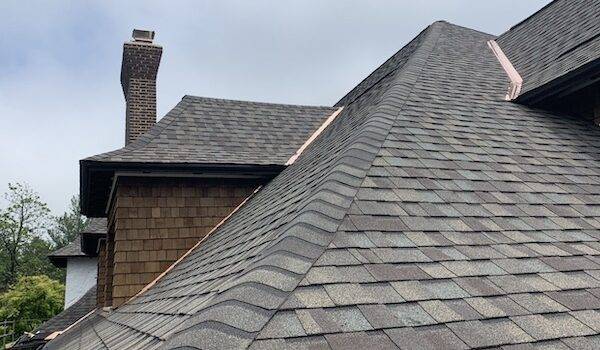
Asphalt shingles come in different tiers, and the tier you choose has a direct impact on cost and performance. In many cases, asphalt shingle roofing can cost anywhere from $4.50 to $8 per square foot, depending on the products selected and the scope of the job. Basic three-tab shingles sit at the lower end of the price range but offer shorter lifespans and less wind resistance. Architectural asphalt shingles, also called dimensional, cost more but provide better durability, longer warranties, and improved curb appeal. Premium options like impact-resistant or algae-resistant styles add to the upfront cost but can reduce maintenance needs and help extend the roof’s lifespan.
The pros include lower upfront shingle roof cost, widely available labor, and a familiar install process that most companies can handle. Repairs are straightforward, and replacement pieces are easy to source. They also offer a wide range of colors and styles, making them a flexible choice for different designs.
The cons include a shorter lifespan; most shingle roofs have to be replaced between years 20 and 30. They are more vulnerable to wind uplift, especially if installation quality is poor. Heat can degrade the asphalt and granules over time, leading to cracking, curling, and loss of protective coating. In areas with severe weather, they may require earlier shingle roof replacement or more frequent repairs.
When you’re evaluating quotes, pay attention to the specific option being proposed. A low bid using builder-grade roofing materials may not deliver the performance or lifespan you expect. Ask about the shingle manufacturer, the warranty length, and whether the choice meets local wind rating requirements.
What a Metal Roof Will Cost and Why
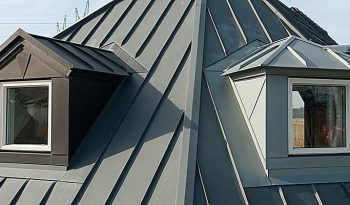
Metal roofing is more expensive upfront because of the materials, specialized labor, and installation requirements. In many cases, metal roofs range from about $6 to $13 per square foot, depending on the system, material, and complexity of the job. Options range from corrugated panels with exposed fasteners to standing seam systems with concealed clips. The profile, gauge thickness, finish, and coating all affect the final price. Thicker gauges cost more but offer better durability. Premium finishes like Kynar coatings resist fading and chalking better than standard painted finishes.
The pros of metal roofing include longevity, with many systems lasting 40 to 70 years or more. It resists wind, impact, and fire better than shingles. It sheds snow and rain quickly, reducing the risk of leaks from ice dams or water pooling. Metal roofs require minimal maintenance and can improve energy efficiency by reflecting heat away from the home. Learn more about the advantages of residential metal roofs to see if they align with your priorities.
The cons include a higher upfront cost and the need for experienced installers who understand how to handle thermal expansion, proper fastening, and flashing details. A metal roof can be noisier during rain or hail, though proper underlayment reduces this. Expansion and contraction from temperature changes require specific installation techniques to avoid issues like oil canning or fastener failure.
When comparing quotes, confirm the panel type, gauge, finish warranty, and fastening system. Standing seam systems with concealed clips cost more but offer cleaner lines and better weather resistance. Exposed fastener systems cost less but require more maintenance over time, as fasteners can loosen or degrade. Ask about the substrate requirements, since some systems need solid decking or additional bracing.
Warranty language matters more with metal roofing than many homeowners realize. One quote may mention a paint or finish warranty, another may include a substrate or material warranty, and the contractor may separately offer a workmanship warranty. Those are all different protections. A finish warranty generally addresses issues like fading or chalking. A material warranty applies to the panel itself. A workmanship warranty covers installation quality, which is often where leak-related problems begin. Some metal roof systems may also offer a separate weathertight warranty that specifically addresses leaks, but that depends on the system and the project. Before you compare prices, ask who is backing each warranty, how long it lasts, what exclusions apply, and whether installation errors could limit coverage. That gives you a much clearer picture of the real value behind the quote.
Shingle vs. Metal Roof Installation
The installation process is also very different between these two systems, and that difference helps explain the price gap. Asphalt shingles are generally faster to install. The process usually involves underlayment, starter strips, shingle courses, flashing, and ridge components, all installed in layers across the roof. Metal roofing requires a more precise approach. Metal roof panels have to be aligned carefully, cut accurately, and installed with the correct fastening system to allow for expansion and contraction as temperatures change. Flashing details around valleys, chimneys, skylights, and penetrations also need more exact workmanship, especially on standing seam systems. That added precision, along with the need for more specialized tools and experience, is one reason metal roofs usually cost more to install than shingles.
Compare Metal and Shingle Quotes the Right Way
Getting accurate quotes for both systems means making sure each proposal includes the same scope of work. Confirm that both quotes cover tear-off of the existing roof, decking inspection and repair, underlayment, flashing, permits, and cleanup. If one quote skips any of these steps, the price comparison becomes meaningless.
Watch for vague line items like “materials” or “labor” without specifics. A detailed quote should name the roofing material, the underlayment type, the flashing materials, and any additional components like ridge vents or drip edge. Missing details make it impossible to know what you’re actually paying for. A truly comparable roofing proposal should go further than just material and price. It should clearly list the manufacturer, material line, color, installation method, flashing work, ventilation work, approximate start and completion timing, payment terms, and what happens if exterior landscaping or interior finishes are damaged during the job. Those details matter because two quotes can look similar on the surface while pricing very different scopes of work. When those items are missing, homeowners often end up comparing a complete proposal against a stripped-down number that leaves out important parts of the project. The more specific the proposal is, the easier it becomes to judge value, spot shortcuts, and avoid surprises after the job starts.
Ask about warranty terms and what is covered under labor versus materials. Manufacturer warranties typically cover the roofing material itself, but labor warranties come from the contractor. A longer labor warranty signals confidence in the quality of the install. Clarify what happens if the contractor goes out of business or if the manufacturer discontinues the style.
If one quote is significantly lower than the others, dig deeper. Low bids sometimes skip steps, use substandard materials, or rely on inexperienced crews. A fair comparison requires understanding what each contractor includes and excludes.
The Biggest Roof Cost Drivers
Roof complexity has a major impact on cost for both options. Valleys, dormers, skylights, chimneys, and other penetrations add labor time and require more precise flashing work. Each penetration increases the risk of leaks if not done correctly, so experienced crews take extra care. Complex roofs also generate more waste, since cutting around angles and obstacles reduces material efficiency.
Pitch and access affect safety setup, staging, and crew efficiency. Steep roofs require additional safety equipment, scaffolding, or roof brackets, all of which add cost. Difficult access, like a roof surrounded by landscaping or tight spaces, slows down material delivery and increases labor time. Understanding how roof pitch affects your project helps you anticipate these costs.
Flashing requirements vary depending on roof design and the number of transitions between roof planes, walls, and penetrations. Proper flashing is critical for preventing leaks, and cutting corners here leads to problems down the road. Quality flashing materials and careful installation add to the cost but protect the investment.
Local labor markets and seasonality also play a role. In areas with high demand and limited contractors, prices rise. Scheduling during peak season, typically late spring through early fall, may cost more than scheduling in the off-season. Code requirements and permit costs vary by jurisdiction, and some areas require specific wind ratings, fire ratings, or inspection steps that add to the total.
For metal roofing, additional factors include panel profile, gauge, finish, clip system, and substrate requirements. Standing seam systems require more precision and specialized tools compared to exposed fastener panels. Thicker gauges cost more but perform better under stress. Premium finishes with longer warranties increase upfront cost but reduce the need for repainting or metal roof replacement. Some metal systems require solid decking or additional framing, which adds to the structural prep work.
Durability Differences That Affect Long-term Cost
Both shingle and metal roofs perform differently under wind, impact, and heat. Shingles are more vulnerable to wind uplift, especially if nails are improperly placed or if the adhesive seal fails. High winds can tear off shingles or lift edges, allowing water infiltration. If you experience storm damage, knowing what to do when shingles get blown off can help you respond quickly.
If storm resistance is high on your priority list, do not stop at the material name alone. A metal roof is not automatically the best option in every case, and not all shingles perform the same way either. What matters is how the specific material is tested and rated for the conditions your home may face. Stronger roof performance comes from more than just the roof cover itself. Details like stronger roof edges, a sealed roof deck, and improved attachment methods all play a major role in how a roof holds up in high winds and heavy weather. Homeowners should ask whether the proposed roof meets meaningful wind and hail performance standards rather than relying on broad sales claims. That question can make the comparison much more practical, especially in areas where wind-driven rain, hail, or severe storms are part of the risk.
Metal roofing resists wind better due to interlocking panels and secure fastening systems. It handles impact well, though denting can occur with severe hail on thinner gauges. Understanding what size hail will damage a metal or shingle roof helps you assess risk based on your local climate. Metal does not degrade from heat the way shingles do, and reflective coatings help reduce thermal stress. The main failure points for these systems involve fastener issues, thermal expansion problems, or corrosion if the coating is damaged.
Maintenance expectations differ as well. Shingles may require periodic inspections to check for loose or damaged pieces, and repairs involve replacing individual pieces. Metal roofing requires less frequent maintenance, but fasteners should be checked periodically on exposed fastener systems. Repairs on metal roofing can be more complex and may require matching the panel profile and finish.
How Metal Roofing and Shingles Impact Energy Costs
Metal roofing with reflective coatings can reduce cooling loads in summer by reflecting solar heat away from the roof surface. This effect is most noticeable in hot climates or on homes with poor attic insulation. The energy savings depend on factors like metal roof color, coating type, attic ventilation, and insulation levels.
Shingle roofs absorb more heat, which can increase attic temperatures and make cooling systems work harder. Lighter shingle colors reflect more heat than dark colors, but the difference is less pronounced than with metal. Proper attic ventilation helps manage heat buildup regardless of roofing material, and improving insulation often delivers more energy savings than changing the roof type alone. Review best practices for shingle and metal roof ventilation to maximize efficiency with either material.
Realistic expectations matter here. Metal roofing can contribute to lower energy costs, but it is not a magic solution. The savings will vary based on your home’s overall energy efficiency, local climate, and how well the attic is insulated and ventilated.
Total Costs Over Time for Shingles and Metal
Replacement cycle comparison shows a clear difference between them. Shingles typically need replacement between 18 and 30 years, depending on material quality, install, and weather exposure. Knowing how often you should replace a roof helps you plan for future expenses. Metal roofing can last 40 to 70 years or more, meaning you may never need to replace it again if you stay in the house long-term.
Lifetime cost framing helps put the upfront price difference in perspective. If it costs $15,000 and last 25 years, you may need two replacements over 50 years for a total of $30,000. If metal costs $25,000 and lasts 50 years or more, the total cost is lower over the same period. Add in potential maintenance savings and possible energy cost reductions, and it can be the more economical choice over time.
Whether shingles can still be the smarter financial choice depends on your situation. If you plan to sell the home within 10 to 15 years, the longer lifespan of metal may not benefit you directly. Budget constraints may make the significantly lower upfront cost of them the only realistic option. Specific aesthetic needs or neighborhood standards may favor shingles if metal does not fit the home’s style or if homeowner association rules restrict metal roofing.
The right choice depends on your plan for the home, your budget, and what matters most to you. Shingles make sense for shorter ownership timelines or tighter budgets. Metal makes sense for lifetime ownership, especially if you want to avoid future replacement costs and minimize maintenance.
Red Flags in Metal Roofing and Shingle Quotes
Unusually low bids should raise questions. Contractors who underbid competitors may skip steps, use substandard materials, or rely on inexperienced crews. Ask what the bid includes and compare it line by line with other proposals. If something is missing or unclear, get clarification before signing.
Pressure tactics, vague warranties, or reluctance to provide references are warning signs. A reputable contractor will give you time to review the proposal, answer questions clearly, and provide references from recent projects. If a contractor pushes for an immediate decision or avoids discussing warranty details, walk away.
Missing details on underlayment, flashing, or ventilation indicate a lack of thoroughness. These components are critical for a lasting roof, and cutting corners here leads to leaks and premature failure. A detailed quote should specify the underlayment type, flashing materials, and ventilation plan.
Questions to Ask Your Shingle or Metal Roofing Contractor
What is included in tear-off, decking inspection, and disposal? Confirm that the contractor will remove the old roof, inspect the decking for damage, and haul away all debris. Some contractors charge extra for disposal or decking repairs, so clarify this upfront. For more guidance, read our tips on how to hire a roofer.
What warranty covers labor versus materials and for how long? Understand the difference between the manufacturer’s warranty on the roofing and the contractor’s warranty on the install. Ask for warranty life and what it covers.
How do you handle unexpected issues like rotted decking? Roofing projects often uncover hidden problems once the old roof is removed. Ask how the contractor prices decking repairs and whether they will notify you before proceeding with additional work. A fair contractor will provide a clear process for handling surprises without inflating costs.
Metal vs. Shingles FAQs
Not always. The cost difference depends on the shingle tier and the type. Premium architectural shingles can approach the cost of basic metal panels, especially on complex roofs. Standing seam metal will cost more than most shingle options, but exposed fastener metal may be closer in price to mid-tier options.
It can, but the impact depends on the local market and buyer preferences. In some areas, metal roofing is seen as a premium feature that adds value. In other areas, buyers may prefer the traditional look of a shingle roof. The longer lifespan and lower maintenance of metal can be selling points, but the return on investment varies.It can, but the impact depends on the local market and buyer preferences. In some areas, metal roofing is seen as a premium feature that adds value. In other areas, buyers may prefer the traditional look of a shingle roof. The longer lifespan and lower maintenance of metal can be selling points, but the return on investment varies.
Some metal systems can be installed over one layer, which saves on tear-off costs. However, this approach is not always recommended. Installing over shingles can trap moisture, hide decking problems, and void warranties. It also adds weight to the roof structure. Most contractors recommend a full tear-off to inspect the decking and ensure proper installation.
Making the Right Choice for Your Home
The right roofing choice depends on your budget, how long you plan to stay in the home, and what matters most to you. Shingles offer a lower upfront cost and familiar installation, making them a solid choice for shorter ownership timelines or budget-conscious projects. Metal roofing costs more initially but delivers longer lifespan, better durability, and potential energy savings, making it a smart investment for long-term homeowners.
Get detailed quotes for both options and compare them carefully. Make sure each quote includes the same scope of work, specifies materials and warranties, and comes from a contractor with a strong track record. Ask questions, check references, and take the time to understand what you’re paying for.
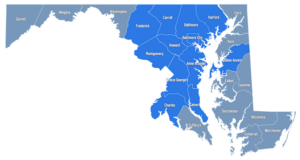
We help Maryland homeowners weigh these options with honest assessments and transparent pricing. Whether you’re leaning toward one or the other, we’ll walk you through the costs, the trade-offs, and what makes sense for your situation. Get a free estimate and see what both options look like for your home.