



Many homeowners are interested in solar panels because of the long-term energy savings, but it is normal to wonder what that means for your roof. Since it is one of the most important parts of the home, any installation that changes it needs to be thought through carefully. The good news is that solar panels are not automatically hard on a roof. Most problems people worry about usually come from poor planning, bad workmanship, or putting a new material on a roof that was already in rough shape.
That is really where the conversation should start. The real issue is whether the panel installation is being built around the age, condition, and design of your home. When that part is handled the right way, installing solar panels will not result in automatic trouble. A properly designed system should not damage your roof, but it does need to respect the structure, the surface, and the waterproofing details already in place.
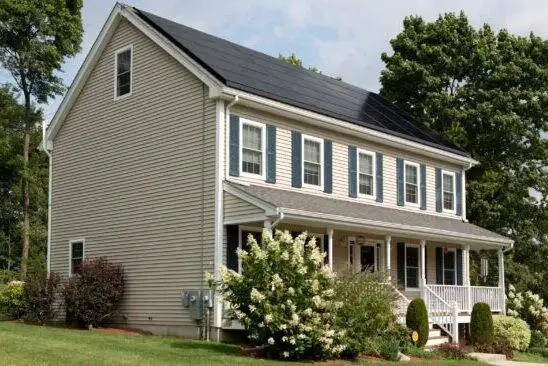
Solar Panels Mounting Systems
Most panels are attached through a mounting system that connects back to the framing below the surface of the roof. Solar panel mounting systems are the hardware and attachment components used to secure the panels to the roof or another surface. They are designed to anchor the solar panels to the structure below while helping manage weight, spacing, and waterproofing at the attachment points. That means the crew is not just fastening equipment anywhere it fits. They need to locate the proper attachment points, work with the existing roofing, and make sure roof penetration is secure and watertight. This is one reason good solar work and good workmanship go hand in hand.
Flashing and sealing details matter. If those areas are handled correctly, they help preserve roof integrity and keep water moving away the way it should. If they are handled poorly, the solar panel installation can disrupt drainage and create the kind of problems homeowners fear most, including structural damage and leaks. In other words, the risk is not really the solar panels themselves. It is whether the attachment points were built to protect your roof for the long haul.
Why Your Roof Quality Comes First
Before solar panels are ever installed, the existing system should be evaluated. If your roof is already aging, worn, or near the end of its service life, adding solar may not be the smartest first move. In many cases, it makes more sense to handle roof repairs or even replacing your roof before the installation begins. That way, the home is not carrying a brand-new solar setup on top of an older surface that may soon need major work anyway.
As a general rule, a long-term solar system should not be installed over a roof that may need major work in the near future. If the roof already has significant age on it, visible wear, recurring leak history, or weak areas around flashing and penetrations, it usually makes more sense to address those issues first. A proper pre-solar roof inspection should look beyond surface appearance and evaluate the condition of the shingles or other roofing material, the flashing details, the roof decking, and the roof ventilation. That kind of review helps homeowners avoid putting a system designed to last for decades on top of a roof that may not be ready to support it for that long.
This matters because once it is in place, access to your roof becomes more complicated. If work is needed later, the solar panels often have to be removed and then put back after the repair is complete. That adds time, labor, and cost to the job. It is a big reason homeowners should look at the age, condition, and how much life the current materials still have before moving ahead with a new solar installation.
How Solar Panels Affect Different Roofing Materials
Different systems require different methods. Asphalt shingle, tile, and metal all have their own strengths, limitations, and waterproofing concerns. That is why the installation process should be matched to the specific roofing on the home rather than treated like a one-size-fits-all job.
For some homes, solar panels are fairly straightforward to add. For others, it takes more care. Tile roofs, for example, can crack if the installers are careless. Asphalt systems can be more vulnerable if fasteners are placed poorly or if flashing details are weak. Metal may allow a cleaner setup in some cases, but that depends on the panel type and profile. The main point is that solar panels do not sit apart from the rest of the home. They become part of the overall assembly, so the way they are attached needs to work with the existing roof, not against it.
Can Solar Damage Your Roof
The honest answer is that bad work can absolutely lead to problems, but solar panels damage your roof only when the project is designed or installed poorly. A rushed installation, weak sealing, or the wrong attachment method can create leaks, wear, or stress in places that should have been protected from the start.
This usually means the workmanship was not there. When the hardware is attached to your roof properly, the mounting points are sealed well, and the details are handled with care, the risk of hidden roof damage is much lower. The truth is that solar damage can occur far less often than poor planning and poor labor do.
Weight, Heat, and Roof Performance
Another common concern is whether solar panels place too much stress on the roof structure. With most residential roofing, that is not a problem as long as it is reviewed beforehand. A proper assessment looks at framing, decking, and overall condition to confirm the home can handle the added load. When that review is skipped, the project takes on more risk than it should.
Homeowners also wonder whether solar adds too much heat to the rooftop. In practice, that is usually not how it works. Because solar panels are raised above the surface through a mounting setup, there is often airflow beneath them. That air gap can help prevent the covered section of the roof from taking direct sun in the same way it would without the panels overhead. At the same time, the solar array continues producing energy, so the home benefits without the panels being pressed directly against the surface like a sealed cover.
Why Installation of Solar Panels Matters So Much
The quality of the installation affects almost everything. It affects how the solar system performs, how well your roof is protected, and how likely the home is to deal with leaks or wear later. Good crews understand that they are not just adding solar panels. They are working directly with roofing, waterproofing, and long-term home performance. That means using the right hardware, the right mounting method, and the right approach for the specific material already on your roof.
One of the biggest mistakes homeowners make is assuming that every solar company thinks like a roofing company. That is not always the case. Some teams understand the electrical and energy side very well but have less experience with how different roofs behave over time. That gap is where many issues start. If a crew does not understand how to protect your roof during installation, small mistakes can turn into expensive problems later. That is why choosing the right company matters just as much as choosing the right solar setup.
How Solar Affects Future Roofing Work
It is also important to think beyond the initial installation. Once solar panels are on the home, future roofing work becomes more involved. If a section of your roof needs repair or if the home needs a larger update later, the array may need to be removed first. That creates extra coordination, scheduling, and cost in ways many homeowners do not think about early on.
That is why homeowners should also ask an important practical question before the project ever starts: who is responsible for the cost of removing and reinstalling the solar panels if the roof needs repair later. This part is easy to overlook, but it can have a major effect on the true long-term cost of the system. What might have been a more straightforward roofing repair can become a more involved project once the array has to be disconnected, removed, stored, and installed again. Getting clarity on that upfront helps prevent surprises later and gives homeowners a better picture of what future roof work may actually involve.
This is especially important when the home already has older roofing material. If your roof is nearing the point where major work is likely in the next few years, it may make more sense to address that first. Pairing a new solar project with a healthier roof helps the installation make more sense over time. It also reduces the chance that the installed array will need to be taken down sooner than expected just so the roof underneath can be worked on.
Good Planning Protects from Roof Damage
The best kind of roof protection starts before any equipment shows up. The home should be evaluated, and the layout should be planned around the actual condition of the house. The right mounting hardware should match the existing roofing, and the installation should be handled in a way that supports both performance and durability. That kind of planning is what helps a solar project feel like an upgrade instead of a gamble.
When solar panels are handled with that mindset, homeowners can get the energy benefits they want without putting their roof at unnecessary risk. The system works better, the installation tends to last longer, and the overall roofing assembly stays more dependable. That is the difference between a project that creates future headaches and one that adds real value.
Questions to Ask Before Installing Solar Panels
Before moving forward, homeowners should make sure they are asking the right questions about both the roof and the solar plan. A good project starts with knowing how much life is left in the current roof, whether the existing materials are in suitable condition, and whether any repairs or replacement should happen first. It is also important to ask how the mounting points will be sealed, whether the solar panel installation could impact any roofing warranties, and which company will be responsible if a leak develops around the attachment areas later on.
Homeowners should also ask what happens if roof work is needed after the solar system is installed. That includes finding out who handles panel removal and reinstallation, what that process looks like, and whether those costs are addressed in the agreement. Questions like these help turn solar from a simple sales idea into a better long-term decision. When both the energy side and the roofing side are taken seriously from the beginning, the project is much more likely to perform the way it should without creating avoidable problems underneath.
Discover if Solar is Right for Your Roof
The answer depends on the condition of your roof, the type of roof on the home, and the quality of the installation plan. Solar is not automatically good or bad for every house. It needs to fit the structure, the surface, and the long-term needs of the property. That is really what homeowners should focus on when they ask how solar panels impact roofing.
A weak project can cause problems. A strong one can improve energy performance while helping preserve the life of the roof underneath. The smartest approach is to look at solar and roofing as connected parts of the same decision. If the roof is in good shape, the materials are suitable, and the install is done by people who respect both the panel roof layout and the waterproofing details below it, solar panels can be a practical upgrade without creating unnecessary risk.
Contact a Solar Professional Today
Before installing solar panels, make sure your roof is ready for them. RoofPRO helps Maryland homeowners understand the condition of their roof, identify repair needs, and determine whether it makes sense to move forward with a solar installation. If you are wondering how solar panels may affect your roof, our team can inspect the roofing system, look for problem areas, and give you honest guidance based on the age, condition, and type of roof on your home. When installed correctly, solar panels can reduce energy savings and still maintain the integrity of you roof. Contact RoofPRO today to schedule a roof inspection and get clear answers before solar panels are installed.