


Preparing commercial roofs for coating is one of the most important steps in extending the life of a roofing system. When building owners skip or rush the preparation phase, even the best coatings can fail prematurely. Poor prep leads to adhesion problems, material failure, and wasted investment.
The difference between a coating that lasts years and one that fails within months often comes down to what happens before the first gallon of silicone touches the surface. Proper prep creates the foundation for a successful coating application that protects your property and delays the need for costly replacement.
This guide walks through the essential steps for coating prep, from initial inspection to final cleaning. Property managers and owners will understand what goes into a successful coatings install and why each procedure matters for long-term performance.
1. Understanding Why Roof Coating Prep Matters
The Challenge It Solves
Many people assume that a coatings installation is straightforward. They think you can simply roll silicone onto an existing surface and call it done. This misconception leads to premature coating failure, water infiltration, and the need to redo work that should have lasted years.
Coatings need a clear, stable surface to form a proper bond. Without adequate prep, the coating sits on top of dirt, moisture, or damaged areas rather than adhering to the roof membrane itself.
The Strategy Explained
Prep creates the conditions coatings need to perform as designed. The coating must bond directly to the existing surface, not to loose matter or standing water. When the surface is properly prepared, the silicone forms a seamless protective layer that reflects UV rays and resists ponding water.
Think of it like painting a wall. You would not paint over peeling paint, dirt, or holes and expect good results. The same principle applies to commercial roofing. The substrate must be sound, clear, and dry before application begins.
Proper prep also reveals problems that coating alone cannot fix. A thorough prep process identifies areas where the existing roof needs repair before coating can extend its service life. Understanding the various types of commercial roofing systems helps determine the best prep approach for each substrate.
Implementation Steps
1. Review the manufacturer requirements for surface prep before starting any work on your commercial roof.
2. Schedule work during clear weather to avoid moisture-related delays.
Pro Tips
Do not rush the prep phase to save time. The hours spent on proper roof prep pay off in coating performance and longevity. Those who invest in thorough prep typically see better results than those who cut corners.
2. Conducting a Thorough Commercial Roofing Inspection
The Challenge It Solves
You cannot prepare what you have not identified. Many roofing problems hide beneath surface-level dirt or in areas that are not visible from the ground. Without a detailed inspection, you might apply silicone over damage that will compromise the entire coating system.
Those who skip the inspection often discover problems after application, when repairs become much more complicated and expensive.
The Strategy Explained
A comprehensive inspection maps out the current condition of your commercial roof before any prep work begins. This identifies areas that need repair, sections where the flashing has deteriorated, and spots where water has been pooling.
The inspection covers the entire surface, not just the areas that look problematic from below. Inspectors check seams, penetrations, drains, and edges where problems commonly develop. They look for signs of problems like punctures, tears, blistering, or areas where the existing flashing has separated from the substrate.
This assessment determines whether your roof is a good candidate for silicone or if it needs more extensive repairs first. Following a detailed roof inspection checklist ensures no critical areas are overlooked during this phase.
Implementation Steps
1. Schedule a professional inspection with a roofing contractor experienced in coatings.
2. Document all findings with photos and notes about the location and severity of each issue.
3. Use the inspection results to create a detailed prep plan that addresses every identified problem.
Pro Tips
Walk the roof with your contractor during the inspection if possible. Seeing the issues firsthand helps you understand why certain prep steps are necessary and makes it easier to prioritize repairs.
3. Repairing Existing Damage
The Challenge It Solves
Coating over damage does not fix the underlying problem. Punctures, tears, and deteriorated sections will continue to leak and worsen even after application. These weak spots become failure points where water infiltrates the roofing system and damages the structural interior.
Property managers sometimes hope that a thick roof coating will seal small problems without dedicated repairs. This approach rarely works and usually leads to callbacks and warranty issues.
The Strategy Explained
All issues identified during the inspection must undergo roof repair before prep continues. This means patching punctures, reinforcing tears, replacing severely deteriorated sections, and addressing any areas where the roof flashing has failed.
The repair materials must be compatible with both the existing system and the silicone you plan to apply. Some repairs require fabric reinforcement, while others need only a compatible patching compound. Understanding when to pursue roof replacement or repair helps property holders make informed decisions about their investment.
Repairs also include fixing any issues with flashing, penetrations, or roof-mounted equipment. These areas need special attention because they are common sources of leaks on commercial roofs.
Implementation Steps
1. Prioritize repairs based on severity, addressing active leaks and structural concerns first.
2. Use repair products recommended by the manufacturer to ensure compatibility.
3. Allow adequate cure time for all repairs before moving forward with cleaning and application.
Pro Tips
Do not assume small issues can wait. Minor problems often indicate larger issues beneath the surface. Addressing all damages during the prep phase prevents surprises later and ensures the system performs as expected.
4. Sealing Seams and Securing Loose Areas
The Challenge It Solves
Seams are the most vulnerable points on any roof. These are the areas where flashing sections meet and where leaks most commonly develop. Loose or failing seams will compromise a system no matter how well the rest of the roof is prepared.
Property holders sometimes overlook seam treatment because the seams look acceptable from a distance. Up-close inspection often reveals separation, brittleness, or other problems that need attention before it is installed.
The Strategy Explained
Sealing seams involves reinforcing every seam on the roof with appropriate products. This typically includes applying roofing tape or fabric reinforcement along seams, then covering them with compatible sealant. The process creates a secure, watertight bond that it can adhere to.
Loose areas anywhere on the roof also need securing. This might mean reattaching sections that have pulled away from the substrate or addressing areas where the roof has become spongy due to moisture infiltration beneath the surface.
The seam treatment process varies depending on the type of existing flashing and the system being installed. For example, TPO roofing requires different seam prep than other membrane types.
Implementation Steps
1. Inspect every seam on the roof, marking areas that need reinforcement or repair.
2. Apply tape and sealant according to manufacturer specifications, ensuring complete coverage and proper overlap.
3. Check for loose areas by walking the entire roof and feeling for soft or spongy spots that indicate problems beneath the surface.
Pro Tips
Pay extra attention to seams around penetrations and roof edges. These high-stress areas experience more movement and weather exposure than field seams, so they need thorough treatment during the prep phase.
5. Clean the Roof Surface
The Challenge It Solves
Dirt, oils, and biological growth prevent silicone from bonding properly to the roof surface. Even a thin layer of contamination can cause adhesion failure. Property holders who underestimate the importance of maintenance often end up with peeling or bubbles within the first year.
Commercial roofs accumulate more contamination than most people realize. Dust, pollen, algae, and residue from HVACs all create barriers between the roof coating and the flashing.
The Strategy Explained
This process typically involves sweeping loose particules, then using a power washer to remove embedded dirt and contaminants. Some roofs need additional treatment to remove biological growth or stubborn stains.
The process must be aggressive enough to remove all contamination but gentle enough not to damage the existing flashing. The right balance depends on the type of roof and its current condition. Buildings with roof-mounted HVAC systems often require extra attention around equipment where contaminants accumulate.
Moisture trapped beneath the roof coating will cause bubbling and adhesion problems. Most manufacturers specify a minimum drying period based on temperature and humidity conditions.
Implementation Steps
1. Remove debris from the surface using a broom or blower.
2. Power wash the entire roof, working systematically to ensure complete coverage.
3. Check moisture levels before proceeding with application.
6. Final Roof Checks Before Silicone Coatings Installation
The Challenge It Solves
Rushing into application without verifying that all prep steps are complete leads to preventable problems. Small oversights during the prep phase can compromise the entire system. Property holders need a systematic way to confirm that the roof is ready for silicone coating installation.
This final verification step catches issues that might have been missed during earlier phases and ensures that conditions are right for successful application.
The Strategy Explained
Final checks involve walking the entire roof one more time to verify that all repairs are complete, all seams are properly treated, the surface is clean, and the roof is completely clear. This inspection also confirms that weather conditions are suitable for installation.
Temperature and humidity must fall within the ranges specified by the manufacturer. Roof coatings applied in conditions that are too cold, too hot, or too humid will not cure properly. Wind can also affect application quality by blowing leaves onto wet coating or causing uneven coverage.
Some types require a primer or adhesion promoter before the main silicone coating goes on. Ensuring proper roof drainage system function is also critical before application begins.
Implementation Steps
1. Conduct a final walkthrough to verify that all prep work is complete and the surface is ready.
2. Check weather conditions and confirm they meet manufacturer requirements for application.
3. Verify that all materials and equipment are on site and ready for the implementation to proceed without delays.
Pro Tips
Document the condition of the roof with photos before work begins. This creates a record of the prep work and provides a baseline for tracking the performance over time.
7. Understanding Silicone Coating Application Benefits
The Challenge It Solves
Property managers evaluating options need to understand why silicone roof coatings are often recommended for commercial roofs. Different coating types have different strengths, and choosing the wrong system can lead to disappointing results even when prep is done correctly.
Property managers sometimes select roof coatings based only on price without considering how well it matches their roof type and local climate conditions.
The Strategy Explained
Coatings offer specific advantages that make them popular for commercial applications. They provide excellent UV resistance, which helps reflect heat and reduce cooling costs. They also handle ponding water better than many alternatives, making them suitable for flat roofs where drainage is not perfect.
These roof coatings remain flexible across a wide temperature range, so they resist cracking in cold weather and hold up well in hot climates. The seamless flashing created by roof coating eliminates the seams that are common leak points on traditional roofing systems. Many property holders also explore cool roofs as part of their energy efficiency strategy.
Silicone typically costs less than full roof replacement while extending the life of a roofing system by years. This makes it an attractive option for property owners who want to maximize their roofing investment without the disruption and expense of a complete tear-off and replacement.
Implementation Steps
1. Compare to other types like elastomeric or acrylic based on your specific roof conditions.
2. Consider factors like climate, roof slope, and expected service life when selecting a system.
3. Review manufacturer warranties and understand what maintenance it requires to maintain warranty coverage.
Pro Tips
Work with experienced roofing specialists who have handled multiple coating systems. They can recommend the best option for your specific situation rather than pushing a single product regardless of whether it fits your needs.
Moving Forward with Commercial Roof Confidence
Proper prep is the foundation of successful silicone roof coating implementation. Every step in the process matters, from the initial inspection through the final pre-install checks. Property holders who invest time and attention in thorough prep see better performance and longer life than those who rush through the process.
The prep phase reveals the true condition of your roof and ensures that application happens under the right conditions. When done correctly, roof prep creates a clear, sound substrate that allows silicone coatings to bond properly and perform as designed.
Working with experienced roofing professionals makes the difference between a system that protects your building for years and one that fails prematurely. Contractors who understand proper prep techniques and follow manufacturer guidelines deliver results that justify the investment in coatings rather than replacement.
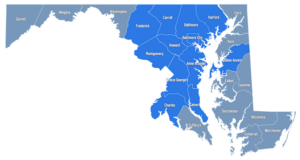
We have been helping Maryland property holders prepare and coat commercial roofs for over twenty years. Our process includes detailed inspection, thorough prep, and professional application using proven material and techniques. If you are considering silicone roof coatings for your commercial building, we can assess your roof and provide honest recommendations about whether it makes sense for your situation. Get a free estimate and find out what proper prep and professional installation can do for your roofing system.