


When winter storms hit, Maryland roofs can carry hundreds or even thousands of pounds of snow. Most homeowners are not sure how much snow is too much, when it becomes dangerous, or whether they should call a professional to remove it. This guide explains what heavy snow can do to a roof, warning signs to look for, and when RoofPRO can safely remove the load before it causes damage.
Is Heavy Snow on Your Roof a Problem?
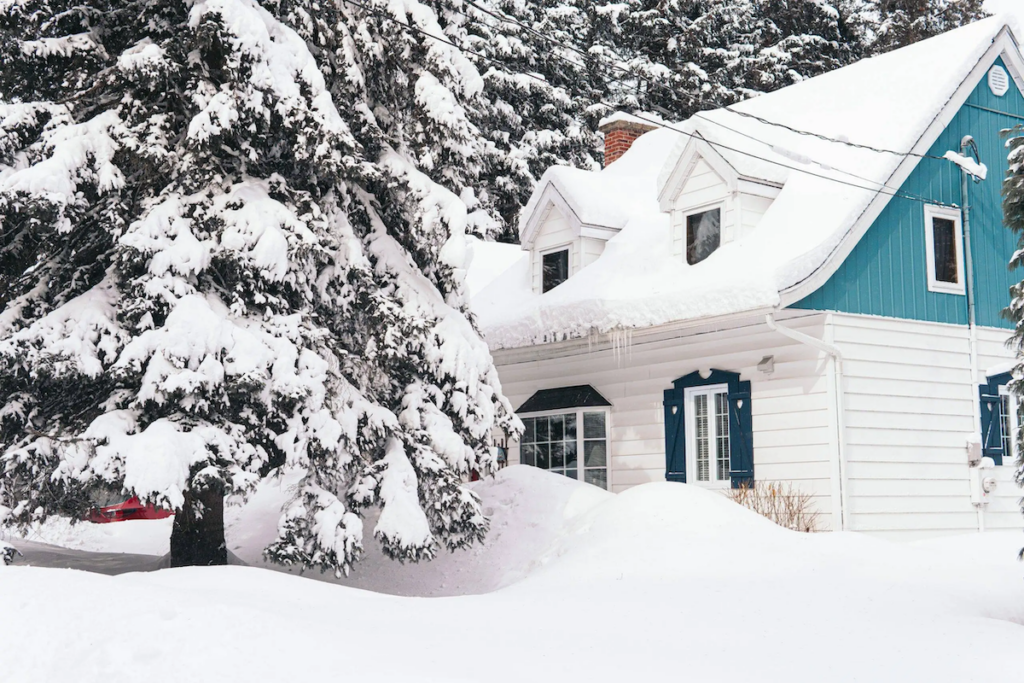
It can be. Not every snowstorm creates an emergency, but roof systems are only designed to carry so much weight. As snow becomes wet or compacted it becomes dramatically heavier. Even a roof in good condition can be stressed if the weight goes beyond its design limit.
Here is what it can cause:
- Sagging rafters or roof decking
- Dams that force melting back under shingles
- Leaks in valleys, around skylights, and along eaves
- Cracks in drywall inside the home
- Structural strain in older homes or homes with weak framing
Most of this harm happens quietly. You do not always hear cracking or see leaks until it has already created a problem.
When Should Snow Be Removed?
Snow removal isn’t always necessary. The real factors are the depth, whether it’s powdery or wet and heavy, and the strength of the home structure beneath it.
Here are the situations where it should be removed:
1. Deep Buildup (Around 17 Inches or More)
When snow depth approaches 17 inches or more, the weight increases quickly, especially if it’s wet or compacted. At that point, most rooftops are carrying far more load than they were designed for, and it’s smart to consider removal before the weight causes structural stress.
2. In Roof Valleys
Wind can blow the snow off open areas of the rooftop while packing it deep into the valleys. It’s common to see only a few inches across the main roof surface but two or three feet piled in a valley. This concentrated weight puts more strain on the roof framing in that area and increases the risk of leaks and dams.
3. Ice Dams Are Forming
If you notice thick ridges of ice along the gutters or see water stains on ceilings below those areas, it means melting snow is refreezing at the edge and forcing water back under the shingles. Removing it prevents the dam from growing and stops further problems.
Dams often point to more than a snow problem. They can also be a sign that warm air is escaping into the attic and heating the underside of the roof deck. When that happens, snow melts higher on the roof, runs down to the colder eaves, and refreezes. Proper attic ventilation, air sealing, and insulation help reduce this cycle and lower the chance of recurring dams.
4. Roofline Sagging or Uneven
A roofline that dips, bows inward, or looks uneven is a clear sign that the structure is carrying too much weight. It should be removed immediately before additional stress causes interior issues.
5. You Hear Creaking or Popping Sounds
When a roof or attic structure is under strain, framing members may shift or flex slightly. These sounds often happen before visible damages appear and should not be ignored.
6. You Have a Low-Slope Roof
Low-slope roofs tend to hold snow much longer and do not shed water the same way pitched roofs do. As it repeatedly freezes and melts, it becomes heavier and more likely to cause leaks and damage to the decking.
Low-slope sections over porches, additions, garages, and commercial-style roof areas need closer attention because snow often sits there until it melts. These areas may also have drains, scuppers, or gutters that freeze over. When drainage is blocked, melting snow has nowhere to go, which increases the chance of ponding water, leaks, and ice buildup along the roof edge.
7. Heavy Wet Snow
Wet, dense snow weighs far more than light, powdery snow. In many cases, a foot of heavy snow can weigh as much as three feet of dry snow. This weight adds up quickly and can overload a roof faster than homeowners expect.
If you are unsure, RoofPRO can inspect the roof and tell you whether removal is needed.
Why Professional Removal Is Safer
Climbing onto a snow-covered roof in the winter is extremely dangerous. Even professionals use special ladders, a snow rake, safety harnesses, and controlled removal techniques to prevent damage to shingles.
RoofPRO removes it safely by:
Clearing without damaging shingles
Removing pressure evenly to prevent sudden structural shifts
Opening dams without chisels or tools that harm the roof
Preventing ice from backing up into the attic
Identifying leaks or ventilation issues while on site
A DIY removal trick often leads to cracked shingles, torn granules, or injuries. A trained team removes it correctly and protects both the roofing system and the homeowner.
What Homeowners Should Not Do When Removing Snow
Avoid using a metal rake, heavy duty picks, hammers, or sharp tools on a roof. These tools can cut shingles, remove granules, puncture underlayment, or damage flashing around vents and skylights. Homeowners should also avoid pouring hot water on dams because the water can refreeze quickly and make the problem worse.
It is also unsafe to climb onto a snow roof without proper fall protection. Snow can hide weak spots, ice, skylights, and uneven roof surfaces. If the roof is steep, tall, or already showing signs of stress, professional removal is the safer choice.
How Much Snow Is Too Much for a Roof?
Here is a simple rule for homeowners:
- 6–12 inches of wet, heavy snow: time to monitor
- 12–18 inches of heavy snow: consider removal
- 18+ inches of snow on roof: removal recommended
Keep in mind:
- An older home may support less weight.
- A home with poor ventilation tends to build dams faster.
- Rowhomes and townhomes often have roofs that hold it longer.
If you’re unsure whether your roof can safely handle the snow, reach out. Our team will look at the roof’s shape, slope, and overall condition and give you a clear recommendation.




RoofPRO’s Snow Removal Service
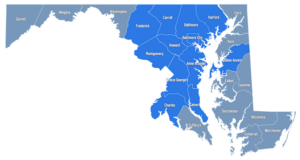
RoofPRO provides fast, safe removal for homeowners throughout the state of Maryland. Our licensed and certified team is trained to protect your shingles, reduce structural load, and stop ice dams before they cause leaks. Backed by an A+ rating with the Better Business Bureau, we also help address recurring winter issues by installing snow guards, improving attic ventilation to reduce damming, and repairing gutters damaged by heavy snow.
Our service includes:
- Full rooftop snow inspection is the first step before removal.
- Safe clearing using non-damaging tools.
- Ice dam mitigation.
- Checking attic ventilation.
- Identifying early leak signs.
- Photo documentation of any issues.
Serving homeowners in:
Baltimore County
Howard County
Montgomery County
Anne Arundel County
Carroll County
Prince George’s County
And surrounding areas
Frequently Asked Questions About Removing Snow
Do all roofs need to have snow removed every winter?
No. Most roofs can handle normal snowfall, but heavy wet accumulation or repeated storms can overload them quickly.
Can snow cause my roof to collapse?
It’s rare, but it can happen, especially on older homes, flat roofs, poorly framed roofs, or roofs with existing sagging or water damage.
Does insurance cover collapse or snow damage?
Most homeowners’ insurance policies cover collapse from the load, but they do not cover roof damage caused by improper snow removal.
Is it safe to use roof rakes?
A metal or steel rake can be useful for minor buildups on single-story homes, but pulling too hard can rip shingles loose. Multi-story homes should not use roof rakes due to the angle and risk.
Schedule Your Snow Removal Today
If heavy snow is sitting on your roof and you are unsure whether it’s safe, give RoofPRO a call. We’ll inspect it, recommend the safest solution, and remove snow without damaging your shingles or creating leaks.
Contact RoofPRO today for fast, professional roof snow removal anywhere in Maryland.