


Most homeowners do not think much about their roof until something goes wrong. But by the time you notice a leak or missing shingles, the damage has usually been building for a while. One of the most common things we see at RoofPRO is a roof that has been quietly losing the battle against algae, moss, and lichen for years. The good news is that if you catch it early, it is an easy problem to deal with. The bad news is that most people wait too long.
Dark Streaks on Your Shingles Are Not Dirt
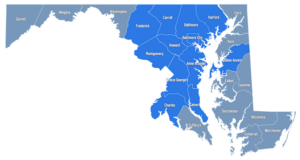
If you have noticed algae discoloration or roof streaks running down shingles, you might have assumed it was just grime or exhaust buildup. It is not. Those streaks are algae, specifically a type called Gloeocapsa magma, and it is extremely common on roofing here in Maryland.
Algae spores travels through the air. When those spores land on a damp roof, they get comfortable fast. The dark color you see is actually a protective coating the algae growth produces to block itself from UV rays. So what looks like a stain is really a living organism that has set up camp on your shingles. Once it is there, it spreads, and it does not leave on its own.
Algae Will Not Wreck Your Roof, But What Comes Next Might
Here is something we tell homeowners regarding shingles: algae by itself is not going to destroy your roof shingles, but algae can indirectly damage shingles. It feeds on the limestone filler used in the shingles, which causes some surface wear, but that alone is not a crisis. The real problems are what an algae issue leads to.
Algae creates a damp, shaded environment on shingles. That environment is exactly what moss and lichen need to take hold. And unlike algae, moss and lichen can cause serious structural damage. So when you see those black streaks, do not dismiss them as a cosmetic roofing issue. Think of them as a warning sign for what is coming if you don’t clean the shingles.
What Algae Actually Does to Your Roofing Shingles
Roofing shingles are designed to shed water and protect your home from the elements. Algae gets in the way of that. As it spreads across the surface, it creates a slick, slippery layer on shingles. That might not sound like a big deal, but if anyone ever needs to get on your roof for maintenance or repair, that slippery surface becomes a real safety problem.
Beyond that, algae sets up the conditions for bigger roofing issues. When debris like leaves, dirt, and twigs start accumulating on the roof, they tend to sit and trap moisture right where the algae already is. That combination of algae and debris is exactly the environment where moss and lichen thrive. So what starts as a surface-level organism ends up being the reason more aggressive growth takes hold and causes the kind of damage that is much harder to reverse.
How Algae Growth Turns Into Moss and Lichen, and Why That Matters
Algae sets the stage, but moss and lichen are the main event when it comes to roof damage. It is a plant, and like any plant, it grows roots. Those roots work their way under the shingles and start lifting them up from the surface. Once shingles start to lift, water can get underneath them, and that is when you start seeing real trouble.
Lichen is even tougher to deal with. It is a combination of algae and fungus, and it bonds directly to the surface of the shingles. If you try to remove lichen without the right treatment, you end up pulling off granules along with it, which does more harm than good. The longer those sit on a roof, the deeper they root in, and the harder they are to remove without causing damage.

5 Signs Your Roof Is Ready to Be Treated
You do not need to wait for a leak to know your roof needs attention. Here are five things to look for:
- Dark streaks or discoloration. Algae growth may cause discoloration, and it means the process has already started.
- Green or fuzzy patches anywhere on the roof. It needs to come off soon.
- Crusty, gray, or white patches that look almost painted on. That is lichen, and it is one of the harder things to deal with.
- Shingles that look curled, cupped, or buckled at the edges. Moisture from algae will have an accelerated impact on wear.
- Noticeable granule loss of asphalt shingles in your gutters or at the base of your downspouts. If your gutters look like they are full of coarse sand and shingles are deteriorating.
If you are seeing any one of these, it is worth having someone take a look. If you are seeing two or more, do not wait.
What Happens to a Roof That Never Gets Cleaned
We have been on a lot of roofs that were left alone for too long, and the pattern is always the same. Untreated, what comes after algae can cause irreversible damage. A homeowner notices the streaks, figures it is just cosmetic, and puts it off. A Maryland summer goes by, then another. By the time we get up there, the algae has given way to moss, which has worked its way under the shingles, and what would have been a simple cleaning job has turned into a conversation about repairs or early replacement.
A roof that goes untreated does not just look bad. It wears out faster, it is more vulnerable to storm damage, and it loses value right along with the rest of your home. The cost of a cleaning is a fraction of what you will spend if the damage gets out of hand. We have seen it play out hundreds of times, and it never gets cheaper the longer you wait.
What RoofPRO Looks for on an Algae Inspection
When we come out to inspect a roof, we are not just looking at black stains you may see. We are evaluating the full roofing picture. We check how far the algae growth has spread and whether moss or lichen has taken hold. We look at the condition of the shingles, including granule loss, curling, and any lifting around the roofing edges. We check your flashing, your gutters, and any areas where water might be pooling or sitting longer than it should.
From there, we give you a straight answer.Whether a soft wash treatment is all you need to prevent algae from turning into a larger issue. If there is underlying damage that needs to be addressed first, we will walk you through exactly what we found and what your options are. No pressure, no upselling. Just an honest assessment from people who know roofing.
Get a Free Roof Inspection from RoofPRO
If you have noticed streaking, discoloration, or any of the signs we covered above, the smartest thing you can do right now is get a professional set of eyes on your roof. RoofPRO offers free inspections for homeowners across Maryland, and clear, honest reporting on what is going on with your roofing.
Do not wait until a small problem becomes an expensive one. Call or fill out the form below to schedule your free inspection today.