


Replacing a roof is one of the most important investments a homeowner can make. It is also a disruptive process that involves noise, debris, and multiple installation steps. Understanding how the roof replacement process works and how long each stage typically takes helps homeowners prepare, plan, and avoid surprises.
Below, we break down the replacement process step by step, explain typical timelines, and highlight the factors that can affect both scheduling and roof cost.
What Happens During a Roof Replacement
A roof replacement follows a structured installation process designed to protect your home and ensure long-term performance. While exact steps may vary by roof type, most replacements follow this general sequence.
1. Site preparation and property protection

Before work begins, the crew prepares the site to protect your home and property. This includes setting up tarps, covering landscaping, and positioning equipment to control debris and keep the work area organized.
2. Removal of old roofing materials

The next step involves removing the existing roofing materials down to the roof decking. This allows the crew to start with a clean surface and creates the opportunity for proper inspection and preparation before new materials are installed.
3. Inspection and repair of the roof deck
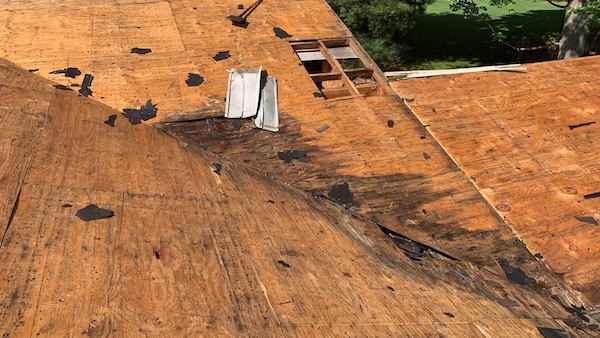
Once the old materials are removed, the roof deck is inspected for damage. Any rotted or weakened sections are repaired or replaced so the new roof has a solid foundation.
4. Installation of protective layers and underlayment
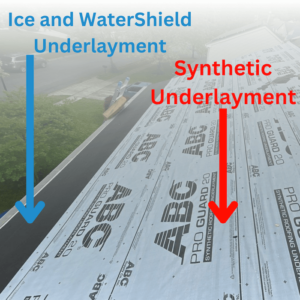
Protective components like drip edge, ice and water shield, and underlayment are installed next. These layers help prevent water intrusion and add an extra level of protection beneath the finished roof.
5. Installation of shingles or new roofing material

With the roof prepared, shingles or the selected roofing material are installed according to manufacturer guidelines. This step forms the visible surface of the roof and provides primary protection from the elements.
6. Flashing, vents, and final sealing
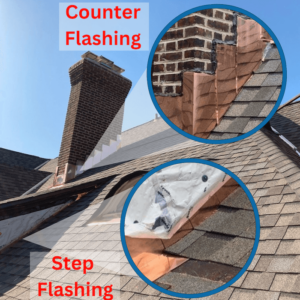
Flashing is installed around valleys, chimneys, and penetrations to direct water away from vulnerable areas. Roof vents are replaced or upgraded as needed, and all critical points are sealed to ensure proper airflow and leak resistance.
7. Cleanup and final inspection

After installation, the crew performs a thorough cleanup of the property, including debris removal and magnetic sweeps for nails. A final inspection is completed to confirm the roof is installed correctly and meets quality standards.
How Long Does a Roof Replacement Process Take?
Once homeowners understand the steps involved, the next question is usually about timing. The total duration of a roof replacement depends on several variables, but most projects follow a predictable range.
In many cases, a standard residential roof replacement can be completed in one to two days. This is typical for homes with straightforward roof designs, moderate slopes, and surface areas under roughly 2,500 square feet. When conditions are right, the crew can remove the old roofing and install the new system within a single workday.
Larger roofs often require additional time. Homes with more than 2,500 square feet of roof surface naturally take longer due to the increased amount of material and labor involved. Steep roof pitches, multiple valleys, skylights, chimneys, and other roof penetrations can also slow the process, as these areas require more detailed work to ensure proper waterproofing and installation.
Roofing materials are often delivered either the day before installation or the morning work begins. On install day, the crew typically completes both the removal of the existing roof and the installation of the new roofing system. If unexpected deck repairs or weather delays occur, the project timeline may extend, but most replacements still move efficiently once work is underway.
While many roof replacements follow a similar schedule, several factors can speed up or slow down the process depending on the home and roof design.
What Affects the Roof Replacement Timeline
Roof replacement timelines can vary widely from one home to another. Several factors influence how long the process takes, including roof design, materials, site conditions, and whether repairs are needed once work begins. The sections below break down the most common factors that affect scheduling and completion time.
Self Pay or Warranty
Paying the roof replacement costs out of pocket is fast enough. Going through warranty processing can take time. Ensuring the replacement is covered under the warranty and potentially going through the same roofing company, if they are still in business, can be time consuming.
Replacement vs. New Roof Installation Process
Possibly the biggest factor regarding the time it takes to replace a roof is whether you are installing a new roof or replacing an existing one. Installing a brand-new roof on a new construction project typically takes less time compared to projects where crews must remove shingles and old roofing materials and install new components. Also, providing any necessary repairs to the underlying structure can add several days to the project’s timeline, depending on the size of the roof.
Roofing Materials Selected for the Project
The type of roofing material currently in place and what you choose for roof replacement can significantly impact the duration of the replacement project. Removing three-tab shingles can be more time consuming than removing a metal roof. At the same time, a roof built with asphalt shingles is generally quicker to install compared to slate or metal roofing, which requires more intricate craftsmanship. Flat roofing, depending on the size, may fall somewhere in between in terms of installation time.
Overall Size of the Roofing Jobs
The size of your roofing system plays a big role in determining the replacement timeline. Large roofing jobs, typically those exceeding 2,500 square feet, naturally require more time for the removal of the old roof and installation of a new one. If your property has multiple roof levels, a flat roof, or intricate roofline designs, this can also extend the project’s duration.
Roof Accessibility or Complexity of the Job
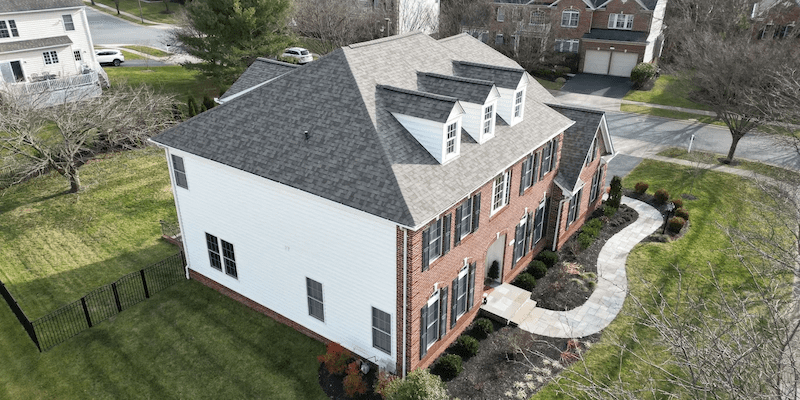
A smaller roof that’s easy to access and relatively simple in design will typically take less time to replace compared to a roof with numerous angles, dormers, or intricate features. Both the roof accessibility and the complexity of the job can influence the overall timeline. Additionally, factors such as chimneys, skylights, or ventilation systems can add complexity and time to the project.
Factors That Can Delay a Roof Replacement
Even with proper planning, some factors can extend a roof replacement timeline. These are typically outside the homeowner’s control but are important to understand.
Weather conditions can play a major role in the duration of a roof replacement project. Heavy rain, strong winds, or extreme temperatures can slow progress and temporarily pause work to maintain safety and installation quality.
Once old roofing materials are removed, unexpected damage to the underlying structure may be discovered. This can include rotting wood, water damage, or other structural issues that must be addressed before the new roof can be installed. The scope of these repairs can add time to the project, but addressing them is necessary to support the long-term performance and durability of the new roof.
Why the Contractor Matters for Timeline & Quality
A well-planned roof replacement depends heavily on the contractor managing the process. Experience, crew organization, and attention to detail all play a role in keeping projects on schedule.
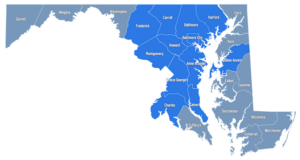
When it comes to roofing projects, including replacements, repairs, and installations, choosing the right contractor is essential! RoofPRO, a manufacturer certified roofing contractor in Maryland, has been proudly serving the community since 2004. With a wealth of experience and a commitment to delivering exceptional results, our team at RoofPRO looks forward to helping you with all your roofing and exterior needs!
Trusted Roof Replacements Since 2004
RoofPRO has earned a solid reputation for our localized knowledge and expertise in roof replacements. With nearly two decades of experience, we understand the unique challenges and needs of Maryland homeowners and businesses! That reputation is backed by an A+ rating with the Better Business Bureau and hundreds of verified reviews from customers across Google and other trusted platforms. This local experience and proven track record help ensure every roof replacement is handled efficiently and with consistent workmanship.
Maryland’s climate can be unpredictable, with its fair share of rain, snow, and temperature fluctuations throughout the year. RoofPRO’s extensive experience in the region allows us to recommend roofing materials and solutions best suited to withstand the local weather patterns. We also understand the specific roofing challenges associated with Maryland’s historic and diverse architecture, offering tailored solutions for every property!
Our trusted team can provide comprehensive roofing services for both residential and commercial properties. Whether you need a roof replacement for your home or business, we have the expertise to handle projects of all sizes and complexities. We’ll also explain how roof size, materials, and underlying conditions affect overall roof costs. Reach out today for a free estimate.
Start With a Roof Replacement Cost Estimate
If you’re considering a roof replacement and want clear pricing based on your home, a professional inspection is the best place to start. RoofPRO offers free roof inspections and detailed estimates so you can understand your roof replacement cost, material options, and timeline before making a decision. Contact our team today to schedule your inspection.


Author Bio
Tim Taylor – Owner & Founder of RoofPRO
Tim Taylor began his roofing career in 2003 and founded RoofPRO in 2004 with a mission to fix the poor workmanship that often causes roof leaks. With over 20 years of hands-on experience, he’s earned elite credentials like CertainTeed’s ShingleMaster Wizard certification, HAAG inspection certifications, and OSHA safety training. His expertise in leak repair, flashing repair, and post-storm restoration has made RoofPRO one of Maryland’s most trusted roofing companies. Tim continues to lead with the same principle that built his reputation—roof it right the first time.