

Proper attic ventilation depends on more than just having vents installed. For a ventilation system to work, fresh air must be able to enter through the soffits, move through the attic, and exit through ridge or roof vents. When any part of that airflow is blocked, the entire system stops working as intended.
One of the most common issues found during roof inspections is soffit vents that look functional from the outside but are completely blocked behind the panel. From the ground, these vents appear to allow airflow, yet inside the soffit cavity there may be solid wood preventing any air from reaching the attic.
This inspection walks through how to identify a non-functioning soffit vent by removing a panel and checking what’s actually behind it. It also explains why this issue matters and how to check multiple areas to confirm whether attic intake ventilation is working properly.
The video below shows a real inspection where a soffit vent appears functional from the outside but is completely blocked behind the panel.
Inspecting Behind a Soffit Vent
To determine whether a soffit vent is functioning, the panel needs to be checked from behind. This is done by carefully removing a section of the soffit using a zip tool. The tool is placed underneath the panel and gently pulled to unlock it. Once loosened, the panel can be removed far enough to see inside the soffit cavity.
In this case, once the panel was removed and the area above it was inspected, solid wood was found directly behind the vent. What initially looked like an opening was actually just a seam where two boards meet. There was no open pathway for air to move through.
This means there is no airflow entering the attic at this location, even though the soffit panel itself appears vented. In other words, this is a non-functioning soffit vent.
Reinstalling the Soffit Panel
After the inspection, the soffit panel is reinstalled by sliding it back under the edge metal and snapping it into place. Working from one side to the other allows the panel to lock back in securely without damage.
Once reinstalled, the soffit looks unchanged from the outside, which is why blocked or non-functioning vents often go unnoticed.
Why Proper Soffit Vents Matter
For attic ventilation to work correctly, air needs to enter through the soffits and travel upward through the attic before exiting through a ridge vent or other exhaust vents. If airflow is blocked behind the soffit, that air cannot move through the attic as intended.
Even when soffit panels look vented, solid wood behind them prevents airflow. This creates a ventilation system that appears functional but is not actually doing its job.
Where to Check for Ventilation Issues First
When inspecting a long run of soffit, the easiest place to start is often the section farthest from the downspout. The gutter typically sits highest at that end, which provides more flexibility around the fascia metal and soffit panel. This makes it easier to remove and reinstall the panel.
It’s also important to check multiple locations around the building. One section of soffit may be blocked while another is open, so inspecting several areas helps confirm whether ventilation is functioning properly throughout the structure.
Soffit vents should never be assumed to work based on appearance alone. The only way to confirm proper airflow is to inspect behind the vent and verify that air can actually move into the attic. Inspections like this help identify ventilation issues early, before they contribute to trapped heat, moisture buildup, or long-term roof and attic problems.
Get Help With Blocked Soffit and Poor Air Intake
If you need help inspecting your soffits to see whether they are blocked or limiting airflow, the team at RoofPRO can help. Contact us to schedule an inspection. Our process will include a thorough review of all aspects of your attic ventilation and airflow system, including intake and exhaust performance. We’re equipped to reach hard-to-access areas, such as soffits on three-story townhomes or properties where visual inspection from the ground isn’t possible.
If issues are found, you’ll receive a clear report with photos and a free estimate outlining what’s needed to correct the problem. RoofPRO offers full roof and attic inspections, ventilation evaluations, and corrective services designed to support proper airflow and protect the roofing system over time. We hold an A+ rating with the Better Business Bureau and are certified by leading manufacturers, including CertainTeed, giving homeowners confidence in both our recommendations and workmanship.
Author Bio
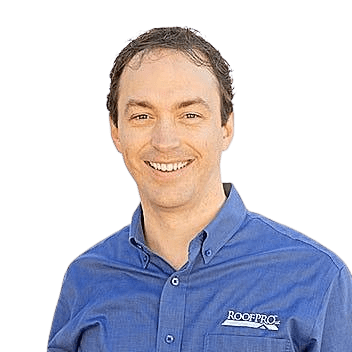
Tim Taylor – Owner & Founder of RoofPRO
Tim Taylor began his roofing career in 2003 and founded RoofPRO in 2004 with a mission to fix the poor workmanship that often causes roof leaks. With over 20 years of hands-on experience, he’s earned elite credentials like CertainTeed’s ShingleMaster Wizard certification, HAAG inspection certifications, and OSHA safety training. His expertise in leak repair, flashing repair, and post-storm restoration has made RoofPRO one of Maryland’s most trusted roofing companies. Tim continues to lead with the same principle that built his reputation—roof it right the first time.