
A leaking shingle roof can be a homeowner’s worst nightmare, leading to costly water damage and structural issues if left unattended over time! However, with the right knowledge and tools, tackling a shingle roof leak can be manageable and prevent further damage to your home. Keep reading as we walk you step-by-step through a shingle roof repair, explaining how to fix leaks properly and protect your home from further damage.
Safety Note: When trying to repair roofing systems on your own, exercise extreme caution and contact a professional roofing contractor if unsure at any point throughout the process. According to the CDC, more than 100 people a year in the US have fatal accidents with ladders, and thousands more are injured from ladder-related incidents.
Shingle Roof Repair Checklist:
1. Identify the True Cause of the Leak: Shingle Damage, Missing Shingles, etc.
Before removing a single shingle, confirm the actual source of the problem. A leak seen inside the home does not always line up with the shingle damage above it. Proper diagnosis is the foundation of any successful shingle roof repair, especially when water enters far from the actual point of damage.
Check Your Attic and Look for Dripping Water During Rainfall
One of the first signs of a roof leak is water dripping into your attic during rainfall. Take a flashlight and inspect the attic for any signs of water stains, dampness, or active dripping. These are clear indicators that your roof may have a leak.
While inside the attic, measure the distance between the entry point of the leak and the two side walls of the house. Then, when you’re on the roof, use these measurements to start the inspection on top of the roof.
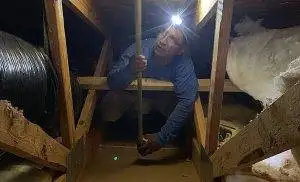
We recommend waiting until the end of the rainstorm because this will give the rainwater enough time to get through the layers of your roof. Also, be mindful that there might be old stains in the attic that are not active leaks.
Common leak sources you must check
- Cracked or missing shingles
- Lifted shingles that lost their tar-strip seal
- Curled shingles from uneven decking
- Downspouts dumping too much water in one spot
- Exposed nails (often several feet above the drip point)
- Loose, cracked, or improperly layered flashing
The flashing along walls and around pipes are some of the most common places a roof will leak first. Take time to inspect the surrounding area. Improper diagnosis leads to failed repairs, even if the physical work is done well.
2. Gather the Required Tools and Materials for Leak Repair
Before climbing onto the roof, make sure you have the correct tools and materials. Having everything ready prevents unnecessary trips up and down the ladder and helps the repair go smoothly.
Essential Tools
- Hammer for removing and installing nails.
- Flat pry bar for breaking the seal on shingles and lifting nails.
- Tool belt keeps your tools within reach.
- Roofing knife for trimming shingles or underlayment.
- Ladder with stabilizer or ladder hook, especially important for steep roofs.
- Rope and safety harness required for roof pitches that pose fall risks.
- Caulk gun for precise application of roofing sealant.
Materials Needed
- Replacement shingles, matching style and color whenever possible.
- Roofing nails, correct length for the shingle and decking type.
- Roofing underlayment for patching beneath the repair area.
- Exterior roofing sealants/roofing cement for resealing lifted tabs.
- A chalk line (optional) helps with alignment if a large area of shingles needs replacement.
3. Prepare the Work Area
Ideal temperature for shingle removal
- Summer: The cool morning hours, shingles are firm and easier to separate.
- Winter: Wait until midday when the sun has warmed them enough to flex.
- Hot weather: avoid the warmest window—soft shingles tear easily.
Shingle flexibility affects how cleanly you can lift and separate layers without damaging surrounding pieces.
4. Loosen the Shingles and Break the Seal
Use a flat pry bar to gently lift the shingle above the damaged one. Your goal is to break the adhesive tar strip without ripping the mat.
Techniques that help
- Slide the pry bar under the shingle and wiggle gently until the seal pops.
- If the tar strip is stubborn, come in from both sides to break it evenly.
- Work slowly; the surrounding shingles must stay intact.
Once the seal is broken, lift tabs just enough to expose the nails.
5. Remove Nails From the Damaged Shingles and the Row Above It
To remove a shingle cleanly, you need to remove:
- The nails through that shingle, and
- The nails through the shingle above it that overlap into its space
Steps
- Lift the shingle above just enough to expose nail heads.
- Use the pry bar to tap under the nail and lift it out.
- Continue until all nails securing both courses are removed.
Removing the nails above the damaged shingle gives you enough room to slide the replacement pieces into place. If you need to remove several shingles in the same area, start at the top and work your way down. This is the easiest and most methodical way to handle the removal.
6. Remove the Damaged Shingles
Once the nails are out, slide the shingle downward and out. Be careful not to bend or crease the shingles above—in cold or hot conditions, they break easily.
At this stage, confirm you’re in the correct section of the roof:
- Look for water stains on the underlayment.
- Look for rusty nails (sign that water ran through).
- Look for soft decking or dips.
This shingle repair confirmation step helps reveal hidden leak sources that start higher up the roof and travel through multiple roofing layers before showing up inside the home. Always look for water stains, rusty nails, or dirt and debris in areas that should normally stay dry. These signs indicate that water has been moving across the roof system. If you lift shingles and find dust or debris under a tab that should be clean, that’s a strong indicator that water is reaching the wrong location.
7. Inspect and Repair the Roof Deck as Needed
Press on the decking to test for softness, delamination, or rot.
If the deck is slightly raised, re-nail it to the rafters.
If the deck is compromised:
- Cut a square around the damaged area.
- Replace that section with new sheathing.
- Nail it according to code.
Never install new shingles over questionable decking.
8. Install New Underlayment
Slide the underlayment upward, tucking it beneath the existing layer.
Proper overlapping matters:
- Top layers should always overlap bottom layers to shed water.
- Secure the underlayment so it lies flat and channels water correctly.
9. Install the New Shingle
Slide the replacement shingle into place, aligning it with the surrounding pattern.
Nailing Guidelines
Follow the manufacturer’s exact instructions, which typically require:
- 4 nails per shingle (or 6 in high-wind zones)
- Nails driven straight, not angled
- Nails placed above the cutout/keyways
- Nails penetrating both the new shingle and the one below it
- Nails not too high (causes blow-offs) and not too low (causes leaks)
Correct nailing is one of the biggest factors affecting roof lifespan.
10. Reseal and Secure Surrounding Shingles
After installing the replacement shingle:
- Lift surrounding shingles and place small dabs of roofing cement under each tab.
- Press firmly to reseal.
- Avoid using too much cement—just enough to bond tabs that were separated during removal.
- This prevents blow-offs in the repaired area, which is more vulnerable.
Be careful not to put roof cement in an area that could cause water to back up into the wrong place. Too much sealant applied in the wrong way can cause more damage. Use small dabs of caulk under the shingle taps, and avoid horizontal lines of caulk, as it can trap water.
Extra Tips for Leaky Roof Repair
When repairing a leaky roof, it’s essential to consider several things to ensure the longevity and effectiveness of the repair. Keep reading as we discuss several extra tips that will help you ensure a leak-free roof for years to come!
Wait for Warm, Dry Weather
Waiting for warm, dry weather is important when repairing a roof. Dry conditions improve safety and help roofing materials seal and bond correctly. Cold or damp weather can reduce the effectiveness of adhesives and make repairs more likely to fail. Wet shingles can also hide algae stains that become extremely slippery when moisture is present, increasing the risk of falls. For both safety and quality, it’s best to work on the roof when conditions are warm, dry, and stable.
Review Safety Regulations for Injury Prevention
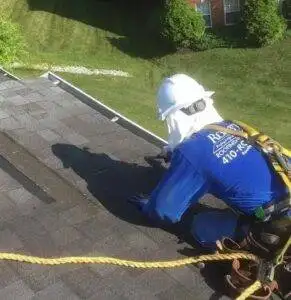
Reviewing roof safety regulations is important for reducing the risk of accidents and injuries. Make sure you understand the proper use of personal protective equipment, including a five-point safety harness as recommended by OSHA. The harness should be connected to a properly anchored lifeline that is secured to a stable point on the roof—not to loose materials or vents. Always tie off your ladder at the gutter level and secure the base so neither end can shift while you’re climbing on or off the roof.
Research Your Home Roof Warranty
Reviewing your roof system’s warranty is essential before undertaking any repair work, as it may cover certain types of damage or repairs! Understanding the terms and conditions of your warranty can help you determine whether the repair costs are eligible for coverage, potentially saving you money. Additionally, some warranties may require repairs to be carried out by authorized professionals, so it’s important to be aware of these stipulations to ensure compliance and maintain warranty validity.
Repair Cost Differential in Materials
While some shingles, such as 3-tab, may seem like a more affordable option initially, the potential repair cost down the line for continued maintenance and replacement may end up costing you more. Make sure to weigh the cost-benefit of different materials before committing to a particular brand.
If Unsure, Contact a Professional Roofing Contractor
If you’re unsure about shingle roof repair or if the damage is extensive, it’s best to contact a professional roofer for assistance. At RoofPRO, we have the expertise and equipment to handle roof repairs safely and effectively!
RoofPRO is a Trusted Roofer for Marylanders
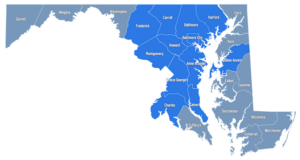
RoofPRO has earned a reputation as a trusted roofer in the state of Maryland, proudly offering top-rated solutions for a wide range of roofing systems! Backed by certifications from leading manufacturers like Owens Corning, our team brings proven expertise and professionalism to every project. We provide comprehensive services, including roof leak repair, tailored to meet the unique needs of homeowners in Maryland. We are dedicated to delivering high-quality workmanship, affordable shingle roof quotes, and exceptional customer service, whether it’s a minor repair or a completely new roof replacement!
Top-Rated Solutions for All Kinds of Roofing Systems
At RoofPRO, we pride ourselves on offering top-rated solutions for all types of roofing systems. Whether your home features asphalt shingles, metal roofing, tile, or flat roofing, our team of roofers has the skills to address your roofing needs effectively! Check out our past projects here to learn more.
Expertise in Shingle Roof Leak Repair
With two decades of localized experience, we have honed our skills to effectively diagnose and address shingle roof repair. From identifying the root cause of the issue to implementing precise shingle repair solutions, our professional expertise ensures that your shingle roof is restored to its optimal condition, providing lasting protection for your home for years to come.
In addition to roof repair, RoofPRO is proud to offer other services, from flashing repair to roof replacement.
Contact Us Today for a Free Inspection and Estimate
If you’re experiencing a leak or any other roof repair issues, don’t hesitate to contact us for a cost-free inspection and estimate! RoofPRO will assess the condition of your roof and provide you with a comprehensive solution to address the problem promptly. Reach out today!
Author Bio
Tim Taylor – Owner & Founder of RoofPRO
Tim Taylor began his roofing career in 2003 and founded RoofPRO in 2004 with a mission to fix the poor workmanship that often causes roof leaks. With over 20 years of hands-on experience, he’s earned elite credentials like CertainTeed’s ShingleMaster Wizard certification, HAAG inspection certifications, and OSHA safety training. His expertise in leak repair, flashing repair, and post-storm restoration has made RoofPRO one of Maryland’s most trusted roofing companies. Tim continues to lead with the same principle that built his reputation—roof it right the first time.