


When it comes to extending the life of a commercial or residential flat roof, choosing between silicone coating or acrylic coating can feel confusing. Both roof coatings offer real benefits, but they perform very differently depending on your roof’s condition, your local climate, and your budget. This guide breaks down seven practical strategies to help you pick the right coating for your situation. We will walk through how each product handles water, UV exposure, application requirements, and long-term cost so you can make a confident decision.
1. Differences Between a Silicone Roof and Acrylic Roof Coatings
Before you can choose the right coating system for your roof, you need to understand what each product actually is. Silicone roof coatings are synthetic rubber-based products that cure into a flexible, waterproof membrane. Acrylic coatings are water-based elastomeric products that dry through evaporation and form a protective layer over your existing roofing system.
The composition difference matters because it affects how each coating performs in real-world conditions. Silicone is naturally waterproof from the moment it cures, which means water cannot penetrate the coating or soften it over time. Acrylic, while effective when dry, are water-permeable to some degree and can soften when exposed to standing water for extended periods.
Both types of roof coatings, silicone and acrylic, are designed to reflect UV rays, reduce energy costs, and extend the life of commercial and residential roofs. They can both be applied over existing systems, including spray foam, modified bitumen, and single-ply membranes. The key difference is how they handle moisture exposure after application.
Silicone products typically come in white or light gray and maintain their reflective properties longer than acrylic coatings. Acrylic roof coatings are available in more color options and can be easier to customize for specific aesthetic requirements. Understanding these basic differences helps you evaluate which coating aligns better with your roof’s needs.
2. Evaluate Ponding Water Issues on Your Roof
One of the most important factors in choosing between silicone coating or acrylic coating is whether your roof has ponding water problems. Ponding water refers to standing water that remains on a roof for more than 48 hours after rainfall. This happens on flat or low-slope roofs with inadequate drainage, structural settling, or design issues.
Silicone roof coatings are superior when it comes to handling ponding water. Because silicone offers better waterproofing and does not absorb moisture, it can withstand constant exposure to standing water without degrading. This makes silicone the clear choice for roofs with drainage problems or areas where water regularly collects.
Acrylic coatings, on the other hand, are not designed to handle ponding water. When acrylic is exposed to standing water for extended periods, it can soften, lose adhesion, and eventually fail. Even four coats of acrylic will not provide the same level of water resistance as a properly applied silicone coating system in ponding water conditions.
Before choosing your coating, walk your roof after a heavy rain and note where water collects. If you see areas where water sits for days, or if your roof has a history of leaks in low spots, silicone is the better choice. A properly functioning roof drainage system can help minimize ponding issues regardless of which coating you select.
3. Consider Your Local Climate and Weather Patterns
Your local climate plays a major role in determining which roof coating will perform best over time. Wet climates with frequent rain, high humidity, or snow require different coating properties than dry, sunny environments.
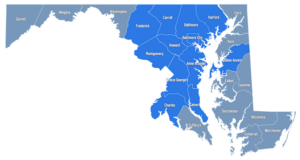
Silicone coatings excel in wetter climates because they are completely waterproof and resistant to moisture-related degradation. If you are in an area like Maryland where rain is common and humidity levels stay high for much of the year, silicone offers better long-term durability. Silicone is more resistant to mold and mildew growth because water cannot penetrate the surface.
Acrylic roof coatings perform well in drier climates with intense UV exposure. They reflect sunlight effectively and can help reduce cooling costs in hot, sunny environments. However, in areas with regular rainfall or high humidity, acrylic coatings may require more frequent maintenance and recoating to maintain their protective qualities.
Temperature extremes also matter. Silicone remains flexible across a wider temperature range, which helps it resist cracking in cold weather and maintain adhesion during freeze-thaw cycles. Understanding how snow impacts roofing can help you prepare for winter conditions regardless of your coating choice.
Look at your area’s average annual rainfall, humidity levels, and temperature ranges. If you experience wet conditions for significant parts of the year, the waterproofing advantage of silicone outweighs the lower upfront cost of acrylic.
4. Factor in UV Resistance and Energy Efficiency
Both silicone and acrylic roof coatings are designed to reflect UV rays and reduce heat absorption, but they perform differently over time. Understanding these differences helps you choose a coating that will maintain its energy-saving benefits throughout its lifespan.
Acrylic typically has excellent initial UV reflectivity and can significantly reduce cooling costs during hot months. They are available in bright white formulations that reflect a high percentage of sunlight. However, acrylic coatings are more susceptible to UV degradation over time, especially in areas with intense sun exposure. This means their reflective properties and protective qualities can diminish faster than silicone.
Silicone roof coatings also provide strong UV protection and energy efficiency. While silicone may have slightly lower initial reflectivity compared to some acrylic products, it maintains its reflective properties longer because it is more resistant to UV damage. It does not chalk or break down as quickly under constant sun exposure, which means more consistent savings over the coating’s lifespan.
For commercial buildings where energy costs are a major concern, both coatings can deliver measurable savings. If you are exploring eco-friendly residential roofing solutions, reflective coatings of either type can contribute to your sustainability goals.
Consider also that a coating’s efficiency depends on properly applying thickness, and surface preparation. A well-applied silicone coating will outperform a poorly applied acrylic coating regardless of the product’s theoretical performance specifications.
5. Calculate True Long-Term Costs Beyond Initial Price
When comparing silicone coating or acrylic coating, the upfront cost difference can be misleading. Acrylic coatings are typically less expensive per gallon, which makes them attractive for budget-conscious projects. However, the true cost picture includes application requirements, maintenance needs, and recoating frequency.
Acrylic roof coatings generally require multiple coats to achieve adequate protection. Most commercial systems need at least two coats of acrylic, and some situations require three or four coats depending on the substrate condition and desired warranty terms. This increases both material and labor costs compared to the per-gallon price.
Silicone coatings can often be applied in fewer coats while providing superior waterproofing and durability. While silicone products cost more per gallon, the total material cost may be comparable when you factor in the number of coats needed. Exploring roofing loan options can help make either coating system more affordable for your budget.
Recoating is another cost factor to consider. Acrylic is easier to recoat because new acrylic adheres well to existing acrylic. Silicone can be more challenging to recoat, often requiring special primers or surface preparation. However, because silicone lasts longer, you may go several additional years before needing to recoat at all.
When calculating cost, also consider the expense of addressing coating failure. If an acrylic coating fails due to ponding water or moisture exposure, you may face repair costs and potential interior damage. Choosing the right coating for your specific conditions can prevent these unexpected expenses.
6. Match the Coating System to Your Existing Roofing
The type of roofing material you currently have affects which coating will adhere properly and perform as expected. Both silicone and acrylic can be applied over various systems, but compatibility and preparation requirements vary.
Both coating types work well over spray foam roofing systems, which are common on commercial buildings. Spray foam provides an excellent substrate for coatings because it creates a seamless, uniform surface. Silicone coatings are particularly popular over foam because they provide the waterproofing protection that foam needs to maintain its insulating properties.
For modified bitumen, built-up roofs, and single-ply membranes like TPO or EPDM, both acrylic and silicone coatings can be used with proper surface preparation. However, the existing roof’s condition matters more than the material type. If your roof has moisture trapped in the substrate, silicone’s waterproofing advantage becomes critical because it prevents additional moisture intrusion while allowing some moisture vapor to escape. Failing to repair open seams, loose flashing, splits, cracks, punctures, rusted fasteners, or weak penetrations can lead to peeling.
Metal roofing can be coated with either product, though silicone’s flexibility makes it better suited for metal’s expansion and contraction. Acrylic coatings can work on metal roofs in drier climates where moisture exposure is minimal.
Before choosing your coating option, have your existing roof inspected to identify any underlying problems. Wet insulation, structural damage, or severe membrane deterioration may need to be addressed before any coating system will perform properly. A coating is a protective layer, not a fix for fundamental roofing problems.
7. Plan for Application Requirements and Professional Installation
The application process for acrylic and silicone coatings differs in ways that affect project timing, equipment needs, and labor costs. Understanding these requirements helps you plan your roofing project realistically.
Acrylic roof coatings are generally easier to apply. They can be rolled, brushed, or sprayed, and they clean up with water before curing. This makes it more forgiving during application and reduces equipment requirements. However, acrylic coatings require dry conditions during installation and curing. Rain within 24 hours of completion can wash away or damage an uncured acrylic coating.
Silicone coatings typically require applying with spray for best results, which means contractors need specialized equipment. Silicone products cannot be thinned with water and require solvent-based cleanup, which adds to application complexity. However, silicone is more tolerant of moisture during installation and can even be applied to slightly damp surfaces in some cases.
Weather windows matter for both products. Acrylic needs dry conditions and moderate temperatures for proper curing. Silicone is less weather-dependent but still requires appropriate temperature ranges for optimal adhesion. In Maryland’s climate, this means planning roof coating projects during spring or fall when conditions are most favorable.
Surface preparation is critical for both coating systems. The roof must be clean, dry, and free of loose material, oils, and contaminants. Most commercial roofing systems require power washing and sometimes chemical cleaning before coating installation. Using a thorough roof inspection checklist before application ensures the substrate is ready for coating.
Professional installation significantly impacts coating performance regardless of which product you choose. Working with experienced roofing specialists ensures proper thickness, coverage, and attention to details like seams, penetrations, and transitions that determine whether a coating system will deliver its expected lifespan.
Speak With Us About the Right Acrylic or Silicone Roof Coating
Before committing to any roof coating, get a professional inspection to understand what your roof actually needs. A thorough evaluation will identify drainage issues, substrate problems, and compatibility concerns that affect which coating will perform best. We help Maryland homeowners and property managers evaluate their roofs and recommend coating options that make sense for their situation and budget.
Whether you choose silicone or acrylic, proper application by experienced professionals makes the difference between a coating that protects your investment and one that fails prematurely. Ready to find out which coating is right for your roof? Get a free estimate and we will walk you through your options based on your roof’s actual condition.