


The biggest environmental win is avoiding a second roof and keeping old materials out of the landfill. Eco-friendly residential roofing is about choosing a system that lasts longer and wastes less. It can also mean roofing material that reflects heat, keeps attic temperatures down, and helps lower energy bills. Some options use recycled content, and others use materials that are less harmful to produce or easier to recycle later. Most of the time, the real difference comes from durability and correct installation, not marketing claims.
What Eco-Friendly Roofing Means for a Home
Eco-friendly roofing, sometimes called sustainable roofing, can be accomplished in more than one way. In some cases, that means using materials made from recycled content or choosing roofing material that lasts long enough to avoid multiple replacements filling landfills. Eco-friendly roofing can also mean installing energy-efficient options, like solar shingles or Energy Star-rated shingles, when they make sense for the home. In many cases, eco-friendly roofing is less about one specific product and more about selecting materials and systems that perform well, last longer, and reduce environmental impact overall through smarter choices and sustainable practices. Many homeowners also call this ‘green’ roofing, but the goal is the same: less waste and better performance.
Eco-Friendly Roofing Materials and Who They Fit
Eco-friendly roofing materials are not made for one-size-fits-all needs. Some eco-friendly roofing materials are made to prioritize lifespan, while others focus on energy efficiency or recycled content. The right eco-friendly roofing option depends on your values, your home, and your budget. Some green options focus on energy savings, while others focus on long lifespan and reduced waste. Below is a breakdown of common eco-friendly roofing materials and the situations they tend to fit best. These are some of the most common sustainable roofing options for residential homes.
Solar Roofing Tiles
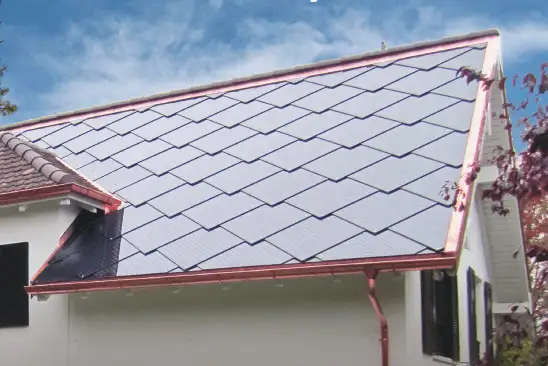
Solar tiles, sometimes called solar shingles, are roofing materials that generate electricity. Instead of mounting solar panels on top of a finished roof, the solar roof system is made to blend into the roofing surface itself. Two of the better-known manufacturers are Tesla and GAF Energy.
The value is in combining two upgrades into one system. If your roofing material already needs replacement and solar is part of the plan, these tiles can make sense. They can help offset energy costs over time while keeping a cleaner roofline than traditional solar panels.
Metal Roofing

Metal roofing is one of the most popular options for sustainable roofing because it lasts a long time and creates less waste over the lifetime of the home. Many metal roof products contain recycled content, and the panels are often recyclable when the roof is eventually replaced. Metal roofing is also great at reflecting sunlight and it holds less heat than asphalt shingles, which can help keep attic temperatures down and reduce cooling demand in warm weather.
The real value is longevity. A properly installed metal roof can protect your home for decades, which means fewer replacements, fewer dumpsters, and less material going to the landfill. It is also a low-maintenance system compared to many shingle roofs, and it holds up well in high winds when the details are installed correctly.
Living Green Roofs

Living roofs, sometimes called green roofing, use a layered system made to support plant growth on top of the roofing material. These roof systems are most common on commercial buildings, but they can be used on residential structures designed to support the added weight. The vegetation layer absorbs heat, which helps reduce surface temperatures and limits heat transfer into the building.
Another benefit is water control. Roofs with plants on them hold and slow down rainwater instead of sending it straight into gutters and drains. This reduces runoff and can help manage heavy rain events. The plant layer also protects the roofing membrane from constant sun exposure, which can extend the life of the underlying roof system.
Recycled Roofing Shingles
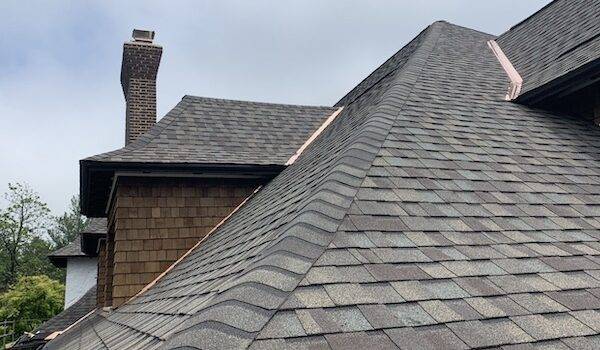
Recycled shingles are roofing products that physically contain recycled materials within the shingle itself. GAF is currently the only major manufacturer producing asphalt shingles where the finished shingle includes recycled content. Their Timberline HDZ RS Series shingles contain approximately 7 percent recycled material.
The benefit is straightforward: it is a shingle made with recycled components, which is why they are a popular option for homeowners who want a familiar look. Using recycled components reduces the need for new raw materials while keeping the same look and installation process as standard asphalt shingles. Over time, combining recycled content with longer-lasting roofing material helps reduce the amount of material sent to landfills.
Cool Roof Rated
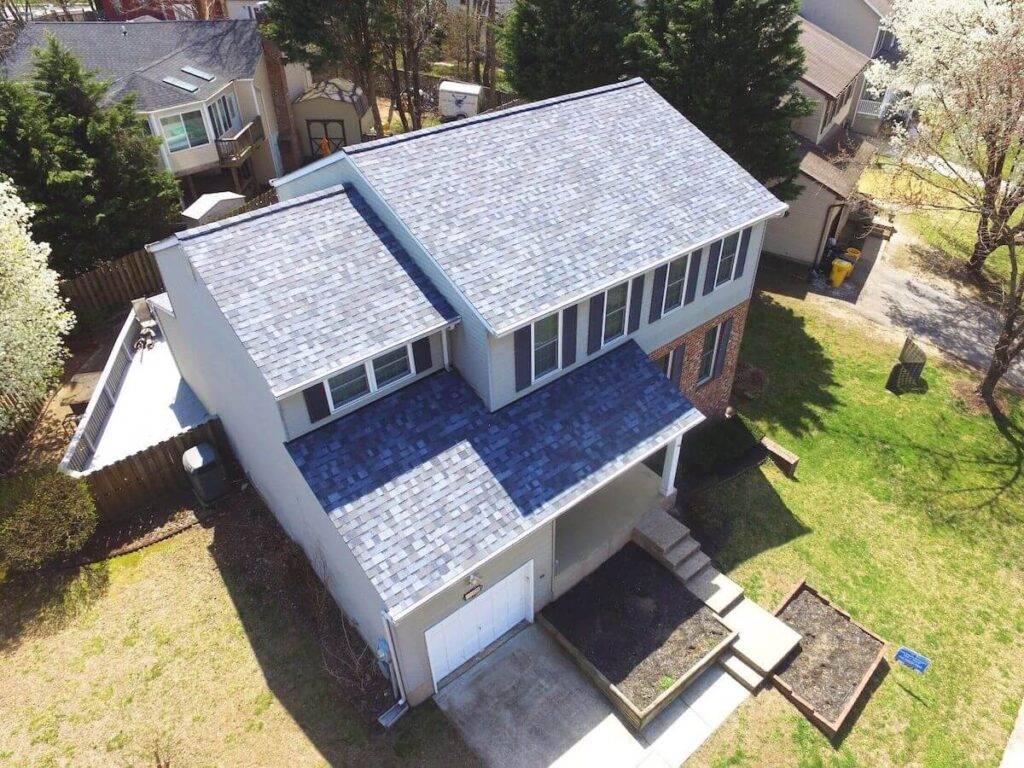
Cool roof shingles are an eco-friendly roofing option designed to reflect more sunlight, often through specially engineered granules that improve reflectivity. Instead of an Energy Star label, you look for a CRRC rating on the product data sheet. Several manufacturers offer cool roofing options, including GAF, Owens Corning, and CertainTeed.
The value is a cooler attic in summer, which can reduce air conditioning run time and improve comfort. In some cases, CRRC-rated roofing may also help with eligibility for the federal 25C home improvement tax credit.
Coatings
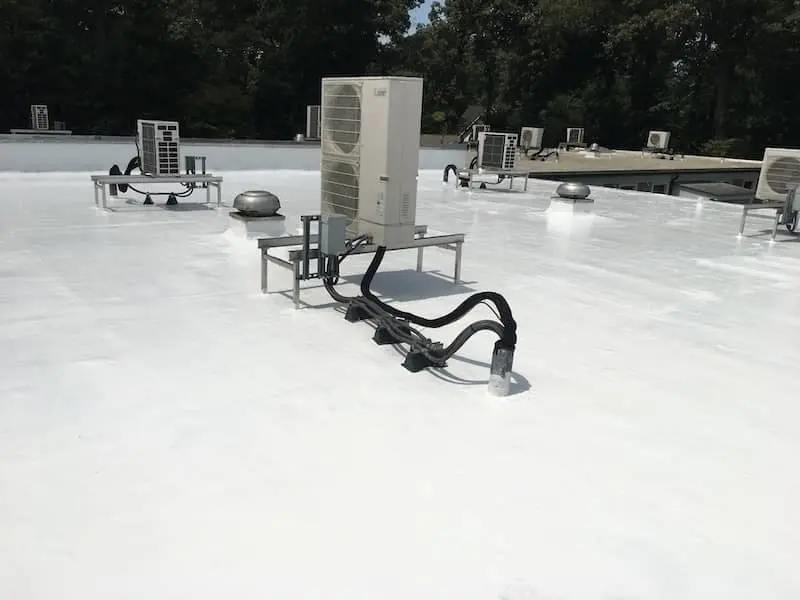
Roof coatings are liquid-applied systems designed to reflect sunlight and protect the roof surface. They are used on flat or low-slope sections of roofing and are applied over an existing roof that is still in good condition. Once cured, the coating creates a seamless, reflective layer.
The value is extending the life of the roof instead of tearing it off. By reducing heat absorption and shielding the roof from UV exposure, coatings can slow wear and delay replacement. That keeps roofing material out of the landfill while helping control roof surface temperatures.
Slate Roofing
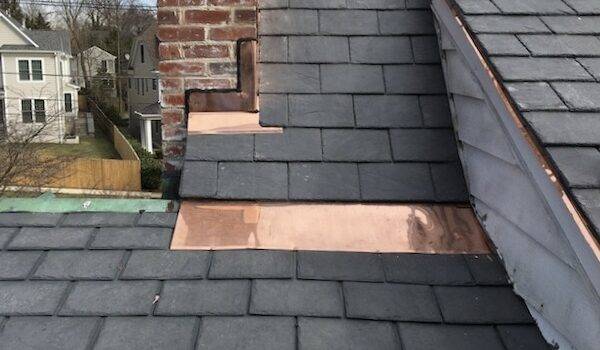
Slate roofs are made from real stone that’s cut into roofing tiles. Since the material is stone, it does not break down the way many manufactured roofing products can. When it’s installed correctly and the home can support the weight, slate can last for decades.
The benefit is simple: it is a roof material made to last for decades. You are not replacing your roofing material every couple of decades, and you are not doing repeated tear-offs. That keeps a lot of roofing material out of the landfill and cuts down on the manufacturing and disposal tied to replacement cycles.
How an Eco-Friendly Roof Can Reduce Energy Use
Eco-friendly roofing can drive energy use down more than most homeowners expect. On a hot day, roof surfaces can run 50 to 90 degrees hotter than the air. That heat moves into the attic, and your AC has to fight it.
Cool roofing materials help before the attic even heats up. Under the same conditions, a reflective roof surface can stay more than 50 degrees cooler than conventional roofing. That usually means lower attic temps and less strain on the HVAC system.
Ventilation and insulation do the rest. Ventilation pushes hot, trapped air out and helps control moisture. Insulation slows heat transfer into the living space. When all three work together, the energy impact is bigger than any one upgrade alone.
Cost and Value Considerations
Cost is usually where eco-friendly roofing gets real, because the “best” option on paper is not always the best option for your house or your budget. With eco-friendly roofing, the goal is to pick something that makes sense long-term, not something that sounds good in a brochure and turns into a headache later. A green roof choice is the one that makes sense long-term for your home. For many homeowners, the most eco-friendly option tends to be metal roofs since they last longer and avoid repeat tear-offs.
Metal Roofing Is Often The Most Eco-friendly Long-term Option
A good example would be metal roofing. It often costs more upfront than asphalt shingles, but it’s one of the most eco-friendly choices because it lasts so long and can usually be recycled at the end of its life. If you plan to stay in the home for a while, or you don’t want to deal with another replacement in twenty years, metal can be the option that actually pays off. You’re not just buying a roof; you’re buying fewer tear-offs, fewer dumpsters, and fewer rounds of materials getting thrown away.
Why Green Roofs Are Not Realistic For Most Homes
Green roofing, the kind with plants on top, can be environmentally impressive, but it’s not realistic for most typical residential homes. It adds weight, requires a specific design for the roofing structure, and needs a waterproofing and drainage system that’s built for it. In other words, it’s not usually a “swap your roof and you’re done” upgrade. If your home is designed for it and you want that style of system, it can work. For most homeowners, it’s better to focus on durability, ventilation, and energy performance first.
A Practical Middle Ground For Many Homeowners
If you want an eco-friendly roofing upgrade without jumping to the highest price point, cool-roof-rated shingles or recycled-content shingles can be a solid middle ground. You’re still in a familiar roofing system, but you’re getting either better heat performance or recycled material benefits, depending on what you choose. These options are often easier to budget for, and they still move you in the right direction.
A Simple Way to Decide
If you’re stuck deciding, start by asking what you’re really trying to achieve. If your main goal is the most eco-friendly roof over the long haul, metal is hard to beat. If your main goal is improving comfort and reducing attic heat without a major jump in cost, cool-roof-rated shingles may be the smarter move. And if you’re trying to avoid a tear-off on a low-slope section that’s still in decent condition, a reflective coating might give you more value than replacing that area early.
Green Roofing FAQ
Are metal roofs loud in the rain?
Properly installed metal roofs are not the “tin roof” people picture in their head. With solid roof decking, the right underlayment, and correct fastening, most homeowners say it sounds no different than a standard roof. If noise is a concern, that’s usually a sign to talk through the exact system being installed, not a reason to rule metal out.
Do eco-friendly roofs need more maintenance?
Most eco-friendly roofing options do not require extra maintenance just because they’re eco-friendly. In many cases, they need less attention because they’re built to last longer and handle weather better. Metal and slate typically need the least day-to-day upkeep, while systems like roofs with plants on them require more maintenance because plants and drainage are part of the design.
Can roof coatings stop leaks?
Roof coatings can help extend the life of a roof, but they are not a magic leak fix. They work best when the roofing material is still in decent shape and you are trying to protect it and buy more time. If the leak is coming from bad flashing, open seams, or active damage, a coating won’t solve the real problem until those areas are properly repaired. That’s why you’ll need to check for roof damage first, so you know the roof is a good candidate before any coating goes on.
Are recycled composite shingles durable?
Some recycled-content and composite-style roofing products can be very durable, especially when they’re designed for impact resistance. The bigger factor is the quality of the product and how it’s installed. A good product installed poorly will fail early, and a solid install on a cheap product still won’t turn it into a long-life roof.
Are there other sustainable roofing upgrades besides the top layer?
Yes, and this is where a lot of homeowners get more value than they expect. Ventilation, insulation, and attic sealing can make a major difference in comfort and energy use, sometimes more than switching materials alone. You can also look at reflective surfaces, coatings on low-slope areas, and choosing longer-life components like upgraded underlayment and proper flashing so the whole system lasts longer.
Can I improve efficiency without replacing my roof?
Yes, in many cases you can. If your home feels hot upstairs or your attic runs extremely warm, improving ventilation and insulation can help right away. A lot of “energy loss” problems are really attic performance problems, so addressing that can improve comfort and reduce HVAC strain even if the roofing material itself is not being replaced yet.
Sustainable Roofing Support From the RoofPRO Team
If you want eco-friendly roofing solutions, it helps to work with a team that installs it right the first time. RoofPRO holds an A+ rating with the BBB and is certified with leading manufacturers like GAF and Owens Corning. That means you get proven systems, proper installation standards, and manufacturer-backed confidence.
Whether you’re looking at metal roofing, cool-rated shingles, or simply need an excellent eco-friendly option, we’ll help you choose what fits your home and budget without overcomplicating it. Contact us today to find a roofing solution for your home.

Author Bio
Tim Taylor – Owner & Founder of RoofPRO
Tim Taylor began roofing in 2003 and founded RoofPRO in 2004 to fight poor workmanship. With over 20 years of hands-on experience, he focuses on leak repair, flashing, and post-storm restoration. He holds CertainTeed ShingleMaster Wizard credentials, HAAG inspection certifications, and OSHA safety training. In 2025, he was named a finalist for the BBB Torch Awards for Ethics in Greater Maryland. He also leads RoofPRO to serve the community through veteran roof relief projects with Habitat for Humanity and Owens Corning. Tim still runs the team on one rule: roof it right the first time.