


Wind damage to shingles is one of the most common roofing issues homeowners face after a storm, yet it is also one of the easiest problems to overlook. Many people focus on dramatic storm damage such as fallen trees, leaks, or visible holes, without realizing that a single lifted shingle or broken seal can also put the entire roofing system at risk. This guide explains how wind-damaged shingles happen, how to spot them, what to do next, and how to protect your home from future storms. By the end, you will understand the warning signs, the repair process, the insurance side of things, and when to call in a professional for help. Feel free to contact our team at RoofPRO for more information!
How to Spot Issues and What to Do Next
Wind damage occurs when gusts lift the edges of shingles and break the seal that holds them in place. Once that seal is weakened, shingles flap during storms, bend backward, or detach entirely. Even shingles that appear to lay flat again may no longer be watertight. The risk is subtle at first, but over time it leads to leaks, mold, energy loss, and structural issues.
Understanding how wind affects shingles gives you a starting point: wind doesn’t have to tear a shingle off the roof to create problems. Lifting, creasing, granule loss, or flashing movement are red flags that require attention, even if no leak has formed yet. The following sections walk through each sign in plain language so you can confidently evaluate your own roof from the ground.
Common Signs of a Wind-Damaged Roof
Wind-damaged shingles show up in several ways, and the signs depend on the strength of the wind speeds, the age of the roof, and how well the shingles were installed. Some forms of roof damage are easy to spot, but many are subtle and only visible when you know what to look for. Shingle damage from high winds is not always obvious from the ground, and some issues can only be confirmed through a close inspection of the roof. Below is a list of items we inspect on roofing systems that have suffered wind impact so you know what a thorough testing should include.
Missing Shingles
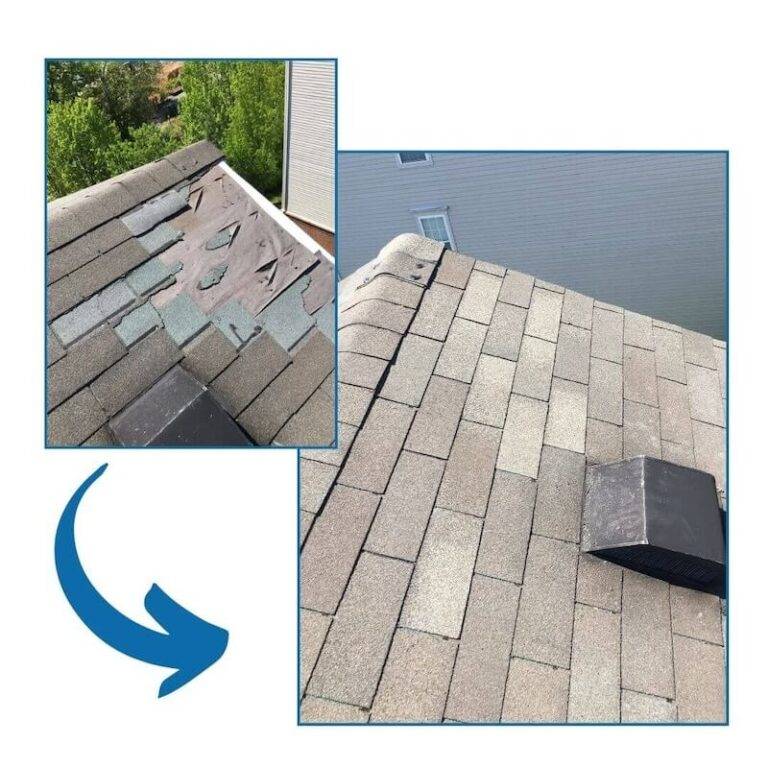
A missing shingle is the clearest sign that wind has compromised your roof. The exposed underlayment appears as a darker, smoother patch compared to the rest of the roof shingle. Even one missing shingle can allow water to penetrate beneath the surface and begin damaging the decking.
Lifted or Unsealed Tabs
Wind often breaks the adhesive seal that holds the shingle tab in place. Unsealed shingles may lift during storms and settle back down afterward, creating the appearance of a normal roof even though the seal is no longer intact. From the ground, these issues can be hard to spot. You might notice slight shadows, uneven lines, or edges that look a little raised. Even though the shingle looks flat, it no longer offers the same protection against wind-driven rain and is far more likely to fail in the next storm.
Cracked or Creased From Pressure
A wind crease is a horizontal line where the shingle bent backward. It often appears darker than the surrounding material. The crease means the shingle’s fiberglass mat has weakened, and it can fail during the next storm even if it hasn’t torn yet.
Storm Debris Impact
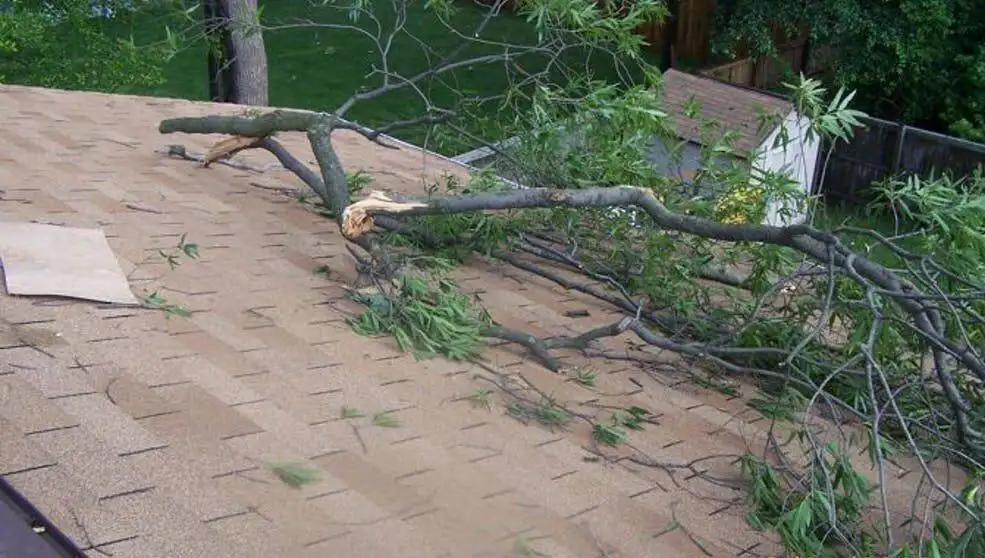
Branches, limbs, and flying debris can crack shingles or remove granules on impact. These marks sometimes look like scuffs or dents. Impact damage paired with windblast increases the risk of leaks because multiple parts of the roof are affected at once.
How a Wind-Damaged Roof Puts Your Home at Risk
It weakens the protective layers of your roof and creates openings that let water reach areas that were never meant to be exposed. Once the seal of a shingle breaks or a tab lifts, the roof loses its ability to shed water effectively. What starts as a small gap can quickly spread as rain, humidity, and future storms push moisture deeper into the layers beneath the shingles.
Increased Risk of Leaks and Interior Issues
A lifted or missing shingle gives water a direct path to the underlayment and roof deck. Over time, even light rain can work its way inside, leading to ceiling stains, peeling paint, and damp insulation. Moisture that lingers in the attic often creates musty odors and encourages mold growth.
Weakening of the Deck
The decking beneath the shingles is designed to stay dry. When it’s exposed, repeated moisture causes the wood to swell, warp, or rot. These issues stay hidden until they become severe enough to require structural repairs.
Why Wind Damage Spreads
Once a shingle loses its seal, the ones around it are more likely to lift during the next storm. Wind catches weakened edges, creating a chain reaction across the roof. This is why early inspection matters. Addressing it quickly keeps a small problem from growing into a larger, more expensive one.
What to Do Right After a Storm
Storm recovery begins with safety and a careful evaluation. You don’t need to climb onto the roof to get a good sense of whether damage has occurred.
Safety First
Wet shingles, loose debris, and compromised structural areas make the roof unsafe. Leave climbing and close examination to professionals. Staying on the ground keeps you out of harm’s way and prevents additional damage from walking on weakened shingles.
Quick Ground-Level Inspection Checklist for Homeowners
Walk around your home once the storm has passed. Use binoculars if needed. Dark patches may indicate exposed underlayment. Watching the roof while the wind is still blowing lightly can reveal tabs lifting even if they appear flat at rest. Look for uneven lines, lifted edges, or flashing that seems out of place.
Indoor Signs That Indicate Your Roof Needs Repair
Inside the home, check ceilings, walls, and attic spaces. Water stains, discoloration, or damp insulation signal that water has already made its way through the roofing layers.
Documenting for Insurance and Repairs
Take photos or videos from multiple angles. Include close-ups of debris, yard findings, and any visible damage on the roof surface. Keep a written record of the date, time, and storm conditions. This documentation helps both your insurance company and your roofing contractor understand the full picture.
How to Inspect Wind-Damaged Roofing Like a Professional
Roofers look for details that most homeowners cannot see from the ground. A trained eye can tell whether shingles are loose, sealed properly, or damaged in ways that aren’t visible from a distance.
What a Roofer Looks for During an Inspection
They examine shingles that appear normal but have lost adhesion. The tar strip plays a key role in wind resistance, and once it weakens, the shingle becomes vulnerable. Roofers also check for slightly dislodged shingles that sit in place but shift when lightly lifted. Flashing, vents, and ridge caps receive close attention because these areas often fail during strong storms.
Why Creased Shingles Signal a Broken Seal
A crease means the shingle bent backward under wind pressure. The fiberglass mat inside the shingle is often cracked, making future failure almost guaranteed. Even though the crease may seem small, it compromises the entire row because water can slip underneath and travel between layers.
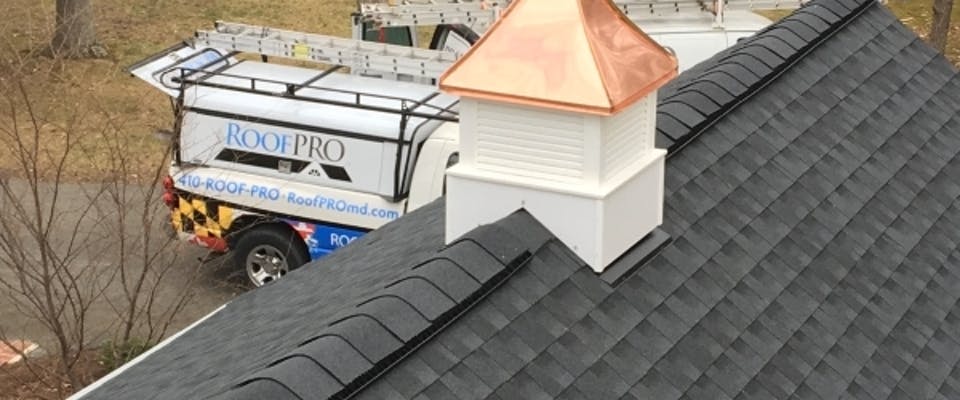
Storm damage is not just limited to leaks, holes, and other more obvious intrusions in your home’s exterior – chipped or missing asphalt shingles can constitute major damage to your roof’s integrity as well!
Repair vs. Replacement: Which Option Is Best When Shingles Blow Off Your Roof?
Deciding between a repair and a full replacement comes down to the extent of the damage, the condition of the roof, and how well the surrounding shingles are holding up. Wind damage behaves differently from other roofing issues because a single broken seal can signal problems across a much wider area. A careful inspection helps determine whether targeted repairs will solve the issue or whether the roof is nearing the point where replacement makes more sense.
When to Replace
Widespread Shingle Damage
Replacement becomes the better choice when it appears across multiple slopes. Lifted edges, missing shingles, and broken seals in several areas show that the roof is no longer functioning as a unified system.
Signs of Poor Workmanship
Incorrect nailing patterns or shallow nail placement often lead to repeated blow-offs. When this type of installation flaw is visible across the entire roof, replacement is usually the only way to restore adequate protection.
Age of the Roof
Older shingles lose adhesion as the tar strips dry out. A few damaged shingles may only be the most visible part of a much bigger problem. When a roof is nearing the end of its lifespan, replacement is often more cost-effective than repeated repairs.
You Want a Full System Warranty
A full replacement allows you to install a complete roofing system with manufacturer-backed warranties. Spot repairs for blown-off shingles cannot provide the same long-term protection, as those shingles need to be replaced to prevent water damage, holes in the roof, and complications with a formal claim.
Insurance Approval for Replacement
If an adjuster agrees the damage is significant and the roof qualifies for replacement, taking advantage of the coverage makes financial sense.
Shingles Cannot Be Matched
Some older colors and blends have been discontinued. When repairs would leave a patchwork appearance, replacement may be the more practical option, especially on highly visible slopes.
Three-Tab Shingles on Tall Homes
Three-tab asphalt shingles on three-story homes take the brunt of higher wind gusts. Architectural shingles offer stronger wind performance, so replacement is often the smarter long-term solution.
What to Expect With Insurance and Wind Damage
The Roof Still Has Life Left
If the roof is relatively young and the adhesive strips around the damaged area are still bonding properly, a repair can restore protection without further concerns.
Shingles Can Be Matched Cleanly
When the damaged area blends well with the existing roof, repairs maintain both appearance and function.
The Damage Is Small and Localized
A few lifted or creased shingles in one small area are often easy to replace. These isolated issues rarely indicate deeper problems when the rest of the roof is performing well.
The Rest of the Roof Is Still Strong
If blow-offs are uncommon and the surrounding shingles show no signs of widespread seal failure, repairing the affected spot is a practical and cost-effective solution.
Understanding Insurance
Dealing with wind damage often raises questions about what insurance will or will not cover. Many homeowners are unsure when a claim makes sense, what adjusters look for, and how roof age or maintenance history affects eligibility. This section explains how insurance typically handles wind-damaged shingles and what to expect during the claims process so you can decide the best path forward.
Does Homeowners Insurance Cover Wind-Damaged Shingles?
Most standard policies include wind damage as a covered peril. If the roof was properly maintained and the storm caused the damage, insurance usually helps pay for repairs or replacement. Missing shingles, broken seals, creased tabs, and damage caused by wind-blown debris often qualify as storm-related losses.
What Adjusters Look for During a Claim
Adjusters evaluate whether the damage aligns with the storm event. They look at wind patterns, the direction of the damage across the slope, and whether the affected shingles show signs of sudden impact rather than long-term wear. They also inspect broken seals, lifted tabs, and debris patterns to determine the extent and validity of the claim.
How Deductibles Affect Whether Filing Is Worth It
The size of your deductible plays an important role in deciding whether to file. Small repairs may cost less than the deductible, making a claim unnecessary. When it affects several rows or multiple slopes, however, the repair or replacement cost often exceeds the deductible, which makes filing a claim worthwhile.
Manufacturer Warranties and Ratings
Shingle manufacturers assign wind speed ratings to their products. These ratings determine how much wind a properly installed shingle should withstand before damage is considered outside of normal conditions. Understanding these ratings helps homeowners know whether the excessive winds exceeded the product’s limits.
Preventing Future Failure
Prevention is part installation, part maintenance, and part material selection.
Higher Rated Choices
Premium shingles with reinforced adhesive strips and stronger mats offer better long-term wind protection. They perform far better in areas where storms are common.
The Importance of Proper Installation and Nailing Patterns
Incorrect nailing patterns are a major reason shingles fail. Roofing professionals ensure nails hit the correct line and the right number of fasteners are used.
Keep Trees Trimmed and Clear Debris
Branches rubbing against shingles can accelerate wear. Keeping trees trimmed reduces impact damage during storms.
Annual Maintenance for Loose Tabs and Broken Seals
A yearly inspection allows a roofer to identify loose shingles or early seal failures. Caulking down loose tabs is sometimes enough to prevent future blow-offs when performed early.
FAQs About Wind Damage to Roofs
Yes. Even a single missing shingle leaves underlayment exposed and allows water to reach deeper layers.
Damage often begins around 45–50 mph, though older roofs can fail at much lower speeds.
It appears as a horizontal line across the shingle where it bent backward during a storm.
DIY repairs often miss hidden issues. Improper sealing or nailing can worsen the problem.
As soon as possible. Broken seals and lifted tabs allow water intrusion even during light rain.
A small section can be tarped temporarily to prevent leaks, but a roofer should inspect it soon after.
Protecting Your Home When Needing Repair
Wind damage often begins with small issues that grow over time. A lifted tab or missing shingle might not look serious, but each one opens the door for water intrusion and hidden structural problems. A professional inspection helps confirm the extent of the damage and gives you clear options for repair or replacement. If you noticed anything unusual after a storm, scheduling an inspection early protects your home and helps you avoid bigger issues later on.
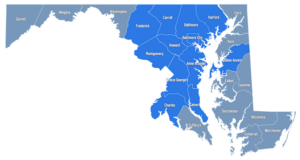
RoofPRO is a Top-Rated Roofing Contractor in Maryland
RoofPRO is extremely proud to be a highly trusted roofing contractor in Maryland. If you are local to the area and are looking for repairs, replacements, or installations, look no further than us. If you would like a quick idea of potential costs, you can start with our online shingle roof estimating tool before scheduling an inspection. We are here to help when disaster strikes.
Trusted Repairs for Maryland Homeowners
We’ve supported Maryland homeowners for more than 20 years, and our certifications with Owens Corning and CertainTeed reflect our commitment to doing the job the right way. With an A+ BBB rating and hundreds of positive reviews, our team has the experience to handle repair services from small wind-damaged sections to widespread storm issues. When we repair or replace a roof, we follow proven installation practices that restore wind protection and help keep your home protected long after the storm has passed. Check out our full list of services here.
Working with the Best Materials in the Industry
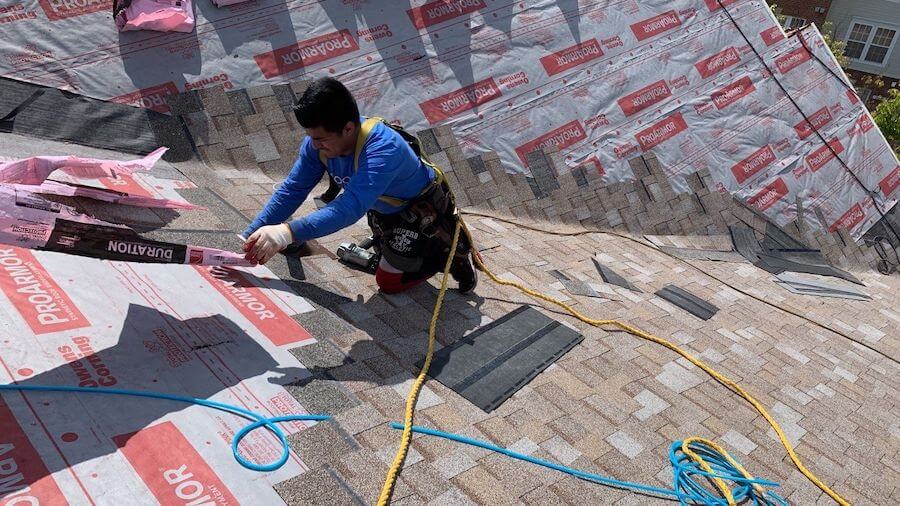
On all of our projects, whether big jobs or small repairs, we rely on only the best materials in the industry! We can offer your home a wide range of roofing products to suit exactly what your home needs, from an array of colorways and matching shingles to additional features like energy efficiency, we’ve got you covered!
Proud to be a Locally Owned and Operated Company Since 2004
With over two decades of local experience serving homeowners in the state of Maryland, you can trust that we’ll get the job done in a timely manner with excellent attention to detail. We’re invested in the communities we conduct business in – we understand what our clients value, and we do everything we can to deliver it!
Contact Us Today for a Free Inspection and Estimate
In need of a repair or replacement following inclement weather? Interested in getting started on a new roofing project? Contact us today for a free inspection and estimate!

Author Bio
Tim Taylor – Owner & Founder of RoofPRO
Tim Taylor began his roofing career in 2003 and founded RoofPRO in 2004 with a mission to fix the poor workmanship that often causes roof leaks. With over 20 years of hands-on experience, he’s earned elite credentials like CertainTeed’s ShingleMaster Wizard certification, HAAG inspection certifications, and OSHA safety training. His expertise in leak repair, flashing repair, and post-storm restoration has made RoofPRO one of Maryland’s most trusted roofing companies. Tim continues to lead with the same principle that built his reputation—roof it right the first time.