Knowing how to check a roof for damage helps you catch problems early, before they spread. The short answer is to start from the ground with binoculars, look for missing or lifted shingles and flashing issues, then look at the gutters for granules and the attic for fresh staining after rain. If conditions are safe, you can get a closer view from a ladder without walking on it. This guide breaks the process down into a simple damage checklist so you know what matters, what it usually means, and when a roof repair is the right next step.

roof inspection and certificate process

Start With Safety Before You Look for Damage

A damage inspection should never turn into a safety risk. Most homeowners do not need to walk on a roof to identify meaningful warning signs, and in many cases, walking on it could create new damage by scuffing shingles or breaking fragile areas. A safe inspection is about visibility and observation, not access.

When Not to Climb on a Roof

Do not climb if it’s steep, wet, icy, or covered with debris. Those conditions increase slip risk and make ladder work less stable. You should also avoid climbing on older roofs that already show curling shingles or soft, uneven areas, because those sections can give way under foot traffic and create a larger problem.

Basic Tools That Make This Process Easier

A few basic tools make this process more accurate and help you avoid unnecessary risk.

  • Binoculars let you inspect shingles, ridge areas, and flashing without leaving the ground.
  • A flashlight helps you look in the attic for water staining, damp insulation, and hidden moisture.
  • A phone camera helps document what you see so you can compare changes over time or show a roofer specific areas of concern.
  • A drone can help you spot larger, obvious damage after a storm, like a missing roof shingle or debris impact, but it can miss the small stuff, like exposed nails, gaps in flashing, or sealant that’s starting to break down.

Once you have these tools ready, you can move through the list below step by step without guessing.

What to Do If You Are Not Comfortable on a Ladder

If you are not comfortable on a ladder, keep the examination ground-based and attic-based. You can still identify many of the most important problems, including shingle damage, sagging rooflines, granule loss, and active leak indicators in the attic. When you reach the limit of safe access, that is the point where a professional inspection becomes the right next step.

Quick Ways to Spot Roof Damage From the Ground

A ground-level roof inspection works because roof damage often shows patterns. Winds tend to lift edges and ridges. Hail tends to bruise shingles and dent soft metals. Long-term aging shows up through granule loss, curling, and sagging rooflines. When you know what the roof is supposed to look like, changes stand out quickly.

Lifted, Cracked, Curled, and Missing Shingles

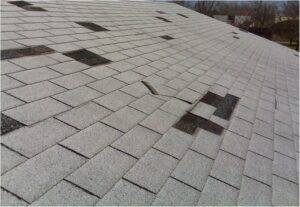
Start by looking for shingles that no longer sit flat. Curling corners, lifted edges, cracked tabs, or a small raised bump can all be clues that something has shifted, including a popped nail pushing up from underneath. Missing shingles are even more urgent because the protective surface is gone and the underlayment may be exposed. Emergency Roofing And Repair Even if you do not see a leak inside yet, water can still be getting in and slowly soaking the wood beneath the shingles, which can lead to decking rot over time. In some cases, the interior signs show up later, but the damage is already happening. Missing or lifted shingles also tend to turn into an obvious leak during the next heavy rain.
Dark Streaking Along the Roof
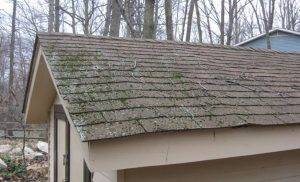
roof shingles damaged with growing moss and mold

Color variance can mean a few different things, so it helps to look at the pattern instead of guessing. Long dark streaks are often algae staining, especially on shaded roof sections. If the roof suddenly looks patchy after a storm, that can be a sign of impact damage or shingles that lifted and changed how the surface reflects light.

Sagging Rooflines and Dips That Should Worry You
sagging roof Your roofline should look straight. A dip or sag can indicate damaged decking, trapped moisture, or structural stress that has weakened the system. This is not a cosmetic issue. Sagging deserves professional evaluation because it can point to problems below the roofing system.

Debris Build-Up That Traps Moisture
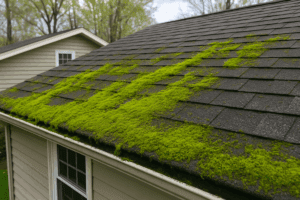
Maryland roof with moss growth Debris matters because it changes how water moves across the roof. Leaves and branches tend to collect in the same locations, like in valleys, above chimneys, and around skylights, where water is already trying to drain. When debris builds up, it holds moisture against the shingles, slows runoff, and can shorten the life of the roofing material. It can also hide damaged roofing and flashing, which is why it should be cleared safely and regularly.

Damage Around Flashing, Vents, Chimneys, and Skylights
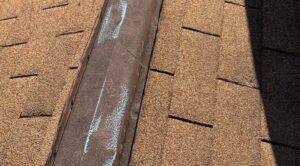
hail damage roof metal Most water leaks occur around transitions and penetrations. Flashing is designed to seal these areas and direct water away from seams, but it can lift, rust, or separate with age and storms. From the ground, look for flashing that appears bent, uneven, or pulled away, especially around chimneys and plumbing vents.

Gutters and Downspouts That Hint at Roof Problems

 Gutters are part of the roof water-management system, so their condition is often connected to other issues. Sagging gutters, overflow stains, and sections pulling away from the fascia can indicate water is not draining correctly. If the gutter line looks uneven, it is worth checking the eaves more closely.

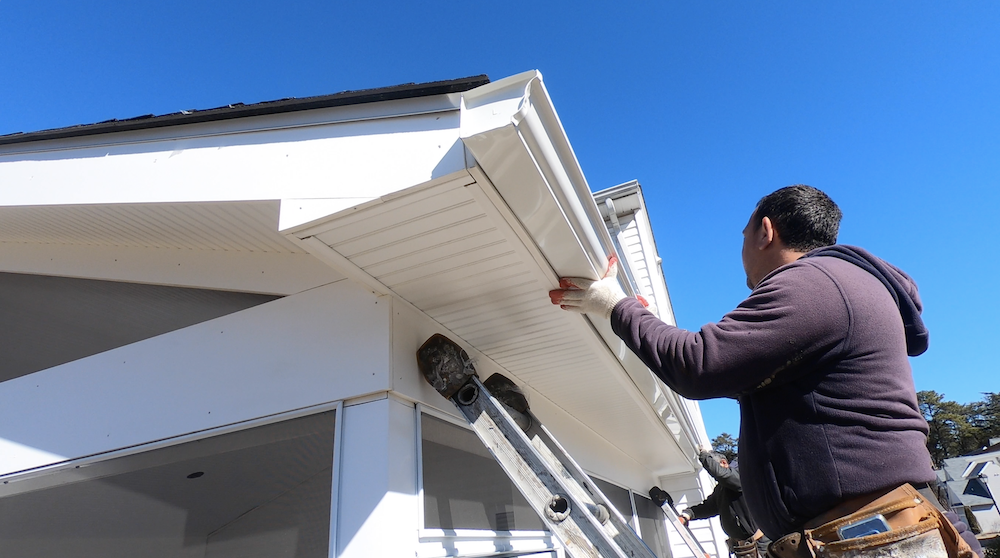
How Gutters Reveal That Your Roof Is Damaged

Gutters act like a collection point for aging shingles. When shingles break down, when hail hits, or when fasteners loosen, small evidence tends to end up in the gutter system. That makes gutters one of the most practical places to confirm whether the material has been deteriorating.

Shingle Granules in Gutters and at Downspout Exits

Asphalt shingles rely on granules to protect the surface from sun exposure and weathering. When shingles age or suffer damage, granules loosen and wash into gutters. A small amount is normal over time, but heavy granule buildup is a strong sign the shingles are wearing out and losing protective material.

Overflow Marks and Gutter Separation

Overflow stains on siding or water marks near the edges suggest the gutter system is not keeping up, either from clogs, poor pitch, or heavy water volume. When water backs up, it can rot fascia boards and contribute to damage at the eaves, which is one of the most common paths to wood rot around the edges of a building. If you notice a gutter pulling away from the house, take it seriously. It can mean the fascia board behind the gutter has started to rot, either because water has been backing up behind the gutter for a while or because a leak has been dripping into that area and breaking the wood down over time.

Dents or Impact Damage From Hail

Hail evidence often shows up on soft metal first. Dents in gutters, downspouts, and metal vent caps can indicate hail impacts that may have bruised shingles as well. Even if shingles do not look “broken,” hail can damage the shingle mat and shorten the life span for the material.

Maryland Attic Condensation: Winter Causes, Fixes

Go Inside and Look in the Attic for Leak Evidence

The attic is where roof problems often become obvious. Your attic should all be inspected, especially during or right after a steady rain, so you can confirm whether the moisture is active. Exterior damage may be hard to judge from the ground, but moisture inside the attic tells you how things are performing under real conditions. This is especially important after heavy rain.

Water Stains and Wet Insulation

Look for stains or color distortion on the underside of the decking and along rafters. Look at the insulation for dampness, matting, or darkened areas. Insulation should be dry and fluffy. Wet insulation is one of the obvious damage signs that water is entering the system. Keep in mind that staining on the wood can also be from an older leak that has already been repaired, so timing matters. If you want to confirm the leak is active, inspect the attic during or right after a steady rain so you can see whether the area is actually wet.

Daylight Coming Through Boards or Around Penetrations

If you can see daylight through the roof structure, there is an opening that can allow water in. Some light can be normal at the eaves because of the soffit, and you may also see light along the ridge if you have a ridge vent. What you do not want to see is daylight in random locations across the decking or around penetrations. Pay attention to areas near vent pipes, chimneys, and skylight framing, because gaps often show up there first.

Mold, Musty Odors, and Why They Matter

A musty smell is often a moisture warning sign, even if stains are not obvious yet. Persistent attic moisture can lead to mold growth and wood deterioration. Sometimes the cause is a small leak. Other times it is poor ventilation that traps humidity. Either way, it is a condition that should be addressed quickly.

Rusted Nails and Condensation That Mimic Leaks

If you notice rusted nails in the attic, it does not automatically mean you have a leak. When only the nail tips are rusted, it often points to condensation, where warm, moist air collects in the attic and settles on cooler metal. If the rust is more widespread and the entire nail is rusted, that is more likely a sign of an active leak in that area. Either way, it is worth taking seriously, because ongoing moisture in the attic can lead to bigger problems over time.

Exterior home services worker from RoofPRO

Getting a Closer View From a Ladder

If conditions are dry, stable, and safe, a ladder can help you look for damage without walking the roof. We do not recommend using a ladder unless you follow proper safety measures, including setting it on firm, level ground, using the correct angle, and having a weighted anchor or a second person securing the foot of the ladder. The top of the ladder should also be secured so it cannot shift, which can include tying it off to a stable point near the gutter so it stays locked in place.

Shingle Condition Up Close Without Walking the Roof

From the ladder, you can see whether shingles are cracked, torn, blistered, or missing granules. Hail damage can also show up as a bruised spot, where the impact knocks granules loose and exposes the asphalt mat underneath, which often looks like a darker round mark compared to the surrounding shingle surface. If you notice widespread wear on one side, that can indicate the material is reaching the end of its service life.

Flashing Edges That Are Lifted, Rusted, or Unsealed

Flashing should sit flat and remain sealed where it meets shingles and penetrations. Lifted edges, rust, or visible gaps are common failure points because water naturally collects and moves through these transitions. If flashing looks distorted, it should be evaluated before it becomes a leak.

Sealant Failures Around Pipes and Vents

If you can safely reach a shingle tab from the ladder, you can also do a simple seal test. Gently lift the edge of a tab just enough to see if it is still bonded. If it moves easily or feels loose, weather or age may have broken the seal between the shingles. Once that seal is compromised, shingles are more likely to lift in strong gusts, and they can blow off much easier during the next storm.

Gutters, Drip Edge, Fascia, and Soffit

Roof-edge components tell you how water is behaving. Stained fascia, peeling paint, rotting wood, or soft spots along the eaves often indicate recurring moisture. In many cases, the source is poor drainage, gutter clogs, or water backing up at the edge.

Woman holding clip board for roofing inspection review

Storm Damage Checklist After Wind, Hail, or Heavy Rain

Roof storm damage is not always obvious, which is why a structured review matters. Winds, hail, and heavy rain each leave different clues, and the best time to look is once conditions are safe and surfaces are dry.

Wind Damage Patterns to Look For

Wind damage often shows up along ridges, corners, and the rake edge. You may see shingles lifted in a consistent direction or tabs that look slightly raised compared to the shingles around them. Even a little lifting can break the seal strip and let wind-driven rain work underneath. Once that seal is broken, the next strong gust can damage roof shingles even more, especially along ridges and edges where the winds hit first.

It is also worth knowing that shingles can be compromised even when they look fine from the ground. A tab can be broken at the seal strip or pulled loose around the nail and still lay flat in calm weather. In that situation, the shingle is basically waiting for the next strong gust to lift it again or blow it off. That is why a thorough inspection is key, especially after high winds.

Hail Hits on Soft Metals and What They Indicate

A practical way to gauge hail is to look at soft metals first, including gutters, vent caps, flashing edges, and metal trim. If these areas show dents, shingles may have been bruised or granules may have been knocked loose, even if things look fine at a distance.

Tree Limb Impact Damage and Hidden Cracks

Tree limbs can crack shingles, loosen flashing, and damage ridge areas without leaving obvious holes. Impact storm damage is also common near valleys and transitions where water already concentrates, which increases the chance of future leaks.

What to Photograph for Insurance, If Needed

If you suspect roof storm damage, take clear photos from multiple angles. Document missing shingles, lifted areas, dents in metal components, granule buildup in gutters, and any interior staining. Photos help establish the condition of the material and support any future conversations with a roofer or insurance adjuster regarding potential warranty coverage.

How to Spot Damage Based on Your Type of Roof

Over the years, we have learned that damage is easier to spot when you know how each roofing system typically fails. Homeowners will sometimes look for the same problems on every roof, but asphalt, metal, slate, and flat systems all break down in different ways. When you understand what is normal for your type system, it becomes much easier to tell the difference between cosmetic issues and problems that can lead to leaks.

Asphalt Shingle
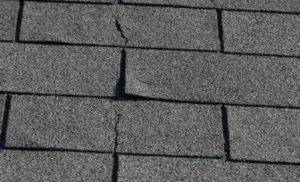
damaged shingles with cracks and peelingOn an asphalt shingle roof, the most common issues we see are granule loss, curling, cracking, and missing tabs. Granules are not just for looks. They protect the shingle from sun exposure, and once they start washing off heavily, the shingles tend to wear out faster. After inclement weather events, we also see shingles that look like they are sitting flat but have a broken seal, which makes them more likely to lift again and blow off during the next storm.

Metal
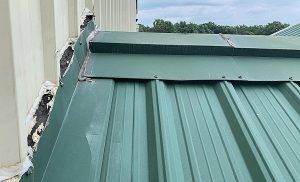
metal roofing shingles needing repair for leaksWith metal roofing, damage checks are a little different. Dents from debris or hail can be obvious, but the bigger long-term problems are usually at fasteners, seams, and penetrations. We often find loose fasteners from expansion and contraction, and we see sealant points that dry out and fail over time. Rust spots also matter. A small spot can grow, especially if water sits there repeatedly, so it is worth addressing before it spreads.

Slate
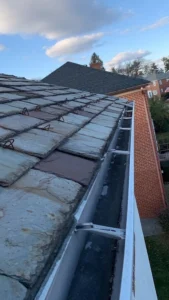
tile roof slateSlate is a durable roof system, but when slate has a problem, it tends to be very specific. We commonly see cracked, slipped, or missing slate pieces, usually from impact, age, or fastening issues. A lot of homeowners first notice it when they find broken slate in the gutter or on the ground, and that is an important clue that things need a closer look.

On a slate roof with exposed metal valleys, we also pay close attention to the valley metal. Those valleys are often copper, and over time they can develop tiny pinholes that are easy to miss from the ground. When that happens, water can get through even if the slate still looks solid, which is why the valley area deserves extra attention. We also see ridge areas sealed with tar on some older slate roofing systems. That cement can dry out and crack over time, which can become a leak source if it is not corrected.

Flat Roof Systems
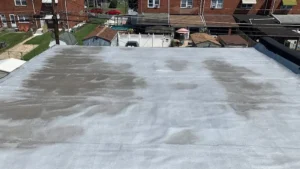
damaged leaking flat roof in dundalk mdFlat and low-pitch systems are more sensitive to small defects because water does not run off as quickly as it does on a steep slope. We typically look for ponding water, blisters, membrane splits, and seams that are starting to open up, especially after heavy rain. Even small separations can turn into ongoing leaks because water sits on the surface longer.

We also pay close attention to where the flat roofing ties into walls, parapets, and vertical surfaces. These areas depend on flashing details to keep water out. If mortar is loose, the wall is deteriorating, or flashing has pulled away, water can work behind the system and leak into the building long before the surface looks obviously damaged.

Common Roof Problems That Look Like Damage, But Aren’t

Not every mark indicates failure. Understanding the difference helps you avoid unnecessary worry and focus on the clues that actually point to water intrusion or system breakdown.

Algae Staining vs. Actual Shingle Wear

Algae can create dark streaks and make the material look older than it is. While it affects appearance, it does not always mean the roof is leaking. Wear, on the other hand, usually shows up as granule loss, thinning shingles, and exposed surfaces that no longer protect the system.

Normal Aging vs. Active Failure

Aging is expected, especially as shingles fade or look less uniform over time. Active failure involves movement, gaps, missing material, or moisture evidence in the attic. Those signs suggest the roof is no longer reliably shedding water.

Ventilation and Condensation Issues That Imitate Leaks

Condensation can create moisture problems that look like a leak. When warm air meets cold surfaces in the attic, it can condense and dampen wood and insulation. The key difference is pattern and timing. Condensation is often widespread, while leak staining tends to follow a path from a specific point.

emergency tarp on roof during replacement

What to Do If You Find Damage on Your Roof

Most of the damage we see is fixable when it is caught early. Choosing a repair when it is the right fix is one of the simplest ways to support eco friendly roofing. A few lifted shingles, a small flashing issue, or a failed seal around a vent does not automatically mean you need a full replacement. The key is figuring out whether the problem is isolated or whether it is part of a larger pattern of wear.

Temporary Steps to Limit Water Damage

If water is actively entering a residential roof or commercial building, focus on protecting the interior first. Use buckets and towels to manage water, and move valuables away from affected areas. Exterior tarping can help in some cases, but it should only be done if it can be done safely. A poorly installed tarp can create additional damage.

When a Roof Repair Is Enough vs. When Replacement Is Likely

A repair is often the right solution when damage is isolated, such as a few shingles that are missing or a localized flashing issue. A roof replacement becomes more likely when damage is widespread, when shingles are consistently curling across multiple slopes, or when granule loss is heavy and roof life is clearly near its end.

Questions to Ask a Roofer So You Do Not Get Pushed Into a New Roof

A good roofing contractor should be able to explain what failed and why. Ask where the damage is located, what the repair options are, and what the expected lifespan of the existing roof looks like. Request photos of problem areas and a clear explanation of what the repair will accomplish. Clarity protects you from pressured decisions.

roofing sales jobs

When to Call a Professional Roofer

A DIY inspection is useful for early detection, but it has limits. Some damage is subtle, some damage is unsafe to evaluate, and some problems require experienced judgment to confirm.

Signs the Issue Is Unsafe or Structural

Sagging areas, widespread leaks, and wood rot should be evaluated by a professional. These conditions can indicate problems beyond the surface and may require repairs that affect decking or structure.

Situations Where Hidden Damage Is Likely

After severe weather, it is common for damage to exist even when things look normal from the ground. Older roofing is also more likely to hide damage because roofing material becomes brittle and seals weaken over time. If you have repeated leaks in the same area, a deeper evaluation is often needed.

What a Professional Inspection Should Include

A professional evaluation should include photos, documentation of damaged areas, and an explanation of repair options. The goal should be problem identification and clear recommendations, not pressure.

How Often to Look for Damage on a Roof

A damage check works best as a routine, not a reaction. Most home and building owners benefit from checking the property a few times a year and after major weather events.

Seasonal Checks That Prevent Expensive Surprises

Spring and fall are ideal because they follow seasonal weather that can stress roofing materials. These checks help catch small issues before the next extreme season arrives.

Checks After Storms and High-Wind Events

After a significant storm, check the property as soon as conditions are safe. Storm-related damage can worsen quickly when the next rain event hits.

How Roof Age Changes What You Should Look For

As the system gets older, small issues matter more. Minor curling, granule loss, and sealant cracking can go from “watch it” to “fix it” much faster as the material wears out. That is why older systems benefit from more frequent checks and repair.

FAQs About Checking a Roof for Damage

Yes. Many important indicators are visible from the ground with binoculars, and the attic often confirms whether water is getting in. A ladder can help, but it is not required to identify common issues.

If a stain appears or grows after rain, it often indicates an active leak. The attic can help confirm this by showing staining on decking, damp insulation, or moisture around penetrations.

Take photos of missing or lifted shingles, dents in soft metals, granule buildup in gutters, and any interior staining. Wide shots help show context, and close-ups help document detail. Both are important when dealing with insurance and warranty claims.

Tim Taylor, President of RoofPRO LLC in Maryland

Author Bio

Tim Taylor – Owner & Founder of RoofPRO

Tim Taylor began roofing in 2003 and founded RoofPRO in 2004 to fight poor workmanship. With over 20 years of hands-on experience, he focuses on leak repair, flashing, and post-storm restoration. He holds CertainTeed ShingleMaster Wizard credentials, HAAG inspection certifications, and OSHA safety training. In 2025, he was named a finalist for the BBB Torch Awards for Ethics in Greater Maryland. He also leads RoofPRO to serve the community through veteran roof relief projects with Habitat for Humanity and Owens Corning. Tim still runs the team on one rule: roof it right the first time.