

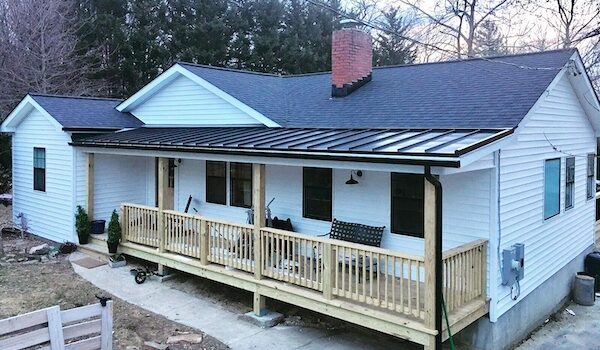
Metal roofs can be a smart upgrade for your home if you want fewer problems over the next few decades. Built to handle harsh weather, metal roofing will last far longer than many other roofing systems, and it does not need constant upkeep. This guide walks through the advantages, the drawbacks, and how to decide if metal roof panels a good fit your home.
Metal Roof Benefits: Why Homeowners Are Making the Switch
Homeowners are choosing metal roofing because it solves the biggest complaints people have with a roof. They want something that holds up in rough weather, does not need constant repairs, and will not be replaced again in 15 or 20 years. Metal roofing costs more upfront, but the math usually works out in your favor. When a roof can last 40 to 70 years with low maintenance, the yearly cost can end up lower than cheaper systems that need multiple roof replacements.
Exceptional Longevity: How Long Do Metal Roofs Last?
Metal roofing is built to last. When it is installed the right way, it can protect a home for decades. The panels are strong, and the factory coating helps the roof hold up year after year. The system is also designed with durable seams and fasteners that stay secure over time. Unlike shingles that can dry out and wear down faster, metal keeps its shape and performance longer. This is especially true with standing seam metal roofing, because the fasteners are hidden and protected from weather exposure. That is why metal is one of the longest-lasting roof systems you can choose.
Unmatched Durability and Weather Resistance
Metal roofs hold up well in bad weather because the panels lock together and stay tight in high winds. Metal also has a slick surface, so snow and ice slide off faster instead of stacking up and adding weight. It is a non-combustible material, and many metal roof systems can meet a Class A fire rating. A metal roof does not attract lightning either. Lightning is based on what is tallest in the area, not the roofing material. In humid or wooded areas, metal has another advantage. It will not rot, insects cannot damage it, and moss and mold are less likely to spread compared to more porous roofing materials.
Energy Efficiency and Sustainability
Sun heat is relentless, and a reflective roofing surface pushes a large share of that radiant heat away from your home instead of letting it bake into the attic. With the right colors and coating, many see their energy costs lower, often in the 10 to 25% range, depending on insulation, ventilation, and climate.
Sustainability is another clear advantage. Many systems are made with recycled content, and the material is 100% recyclable at the end of its life. That means less tear-off waste, fewer shingles headed to landfills, and a roofing choice that fits a long-term, lower-waste approach.
Low Maintenance Requirements
Maintenance is one of the biggest reasons to switch. There are no shingles to loosen or blow off, and you do not get the steady stream of granules washing into the gutters. Most of the time, upkeep is simple. Keep debris off valleys, clean the gutters like normal, and check fasteners or flashings during routine inspections.
Protection against rust is also built in. Modern systems use advanced coatings, like Galvalume, that shield the metal from moisture and slow corrosion for decades. When the right material is matched to the environment and installed correctly, rust becomes a managed risk, not a constant worry.
Lightweight and Versatile
Weight matters more than most people realize. A lighter roofing system puts less stress on the framing and can be a cleaner fit for many homes, especially when you are replacing an older roof. Metal roofs are a lightweight option compared to heavier materials like clay tile, so the structure is not carrying an extra load for decades. It also gives you a lot of style flexibility, from standing seam to profiles that mimic slate or shake, so you can get the look you want without the weight penalty.
Pros and Cons: A Balanced View
No roof is perfect, and metal is no exception. The benefits are real, but the decision should include the tradeoffs too. This section lays out what homeowners need to know before committing, from the higher upfront price to common concerns like noise, denting, and how the roof moves with temperature changes. You will also see why repair work is more specialized and how style options can be a pro or a con depending on the look you want.
Higher Upfront Cost
The biggest disadvantages are the upfront prices. In many cases, metal roofs cost about double what asphalt shingles cost at the start. The higher cost comes from the material, the trim and flashing details, and the skilled labor needed for proper installation. The cost upfront is high, but the durability is far greater than asphalt shingles, so you are paying for decades of service life in one shot, which is why many homeowners see it as strong long-term value.
Potential for Noise (The Great Myth)
Noise is one of the most common worries, but it is usually a myth. On a typical home with solid roof decking and standard attic insulation, rain and hail sound about the same as they do on a shingle roof. The “metal roofs are loud” idea mostly comes from open structures, like barns or patios, where the underside of the panels is exposed without roof insulation. In anormal residential roof setup, the deck and insulation do the sound dampening.
Expansion and Contraction
Temperature swings make metal roofing panels move. It expands when it heats up and contracts when it cools down, and that is normal. Problems only show up when the roof is installed in a way where it cannot move. A proper install uses the right fasteners, clips, and spacing so the panels can “breathe” without buckling, oil canning, or working fasteners loose over time. This is one reason experience matters with metal. The details are not forgiving.
Potential for Denting
Denting is a real concern in certain areas. Even though metal roofs holds up well, severe hail or a heavy branch can leave dents. In many cases, the damage is cosmetic, not a leak risk, because the roof can still shed water and stay sealed. The key is knowing the difference between a surface mark and an impact that bends seams, damages flashings, or compromises paneling. Thicker gauges and certain profiles also help reduce visible denting.
Complex Repairs
Repairs are not always simple. With shingles, a roofer can often swap a few pieces and move on. Metal roofs are different. Panels lock together, flashings are custom fit, and water control depends on tight seams and details. That means you cannot just “patch” it with leftover material and sealant and expect it to hold up. Modifications and repairs usually require a contractor who knows the system, has the right parts, and can rework the area without creating additional problems.
Aesthetic Considerations
Aesthetic appeal matters, and metal gives you a wide range of styles. Standing seam has a clean, modern look, while stamped profiles can mimic slate, shake, or tile from the street. The tradeoff is that not every style fits every home. Color, the panels’ width, and finish can change the whole feel of the exterior, for better or worse. The best approach is to match the profile to your architecture and choose a finish that works with your siding, trim, and neighborhood style.
What is the Biggest Problem with Metal Roofs?
The biggest issue is not the panel itself. It is a corrosion risk when the wrong material or details are used for the environment. Metal roofs can last for decades, but only if they are matched to your climate and location along with being installed with the right edge protection, fasteners, and flashings. The sections below cover where rust starts, why it happens, and how to avoid it.
Rust and Corrosion on Metal Roofs
Rust usually starts at the most vulnerable spots, like cut edges, exposed fasteners, and scratched surfaces. If cut edges are left unsealed, moisture can work in over time and cause edge creep. The material choice matters a lot too. Galvanized steel metal roofs can struggle in salt air, while Galvalume performs better in many coastal conditions because it has stronger corrosion protection. When the right system is selected and the edges are finished correctly, rust becomes a controlled risk, not an inevitable problem.
Picking the Right Material for Where You Live
Climate should drive the material choice. For coastal homes, aluminum metal roofs are often the gold standard because they do not rust like steel and handle salt exposure better. Inland, steel metal roofs are a strong option because they are rigid and widely available and perform well when the right coating is used. Picking the right metals for your location is one of the biggest factors in long-term performance. It can save on your premiums, as insurance companies offer better pricing for metal roofs over shingle roofs in many inclement weather locations.
Are Metal Roofs Good for Every Home?
Metal roofs are a great fit when you plan to stay in your home and don’t want to deal with a roof replacement for a long time. The upfront cost is higher, but the long lifespan and low maintenance can make the 50-year return hard to beat. If you are in your “forever home,” value durability, and want better protection in storms, metal roofing usually makes sense. If you might move soon, or the budget is tight, a quality shingle roof can be the smarter call.
Interested in a Metal Roof For Your Home?
If you are ready to look at metal roofing options, RoofPRO can help you make the right call. We will meet with you, inspect the roof, and walk you through the best systems for your home and budget. RoofPRO holds an A+ BBB rating and has hundreds of five-star Google reviews from homeowners across Maryland. If you are considering a new roof, request a free quote and get clear pricing with straightforward recommendations.

Author Bio
Tim Taylor – Owner & Founder of RoofPRO
Tim Taylor began roofing in 2003 and founded RoofPRO in 2004 to fight poor workmanship. With over 20 years of hands-on experience, he focuses on leak repair, flashing, and post-storm restoration. He holds CertainTeed ShingleMaster Wizard credentials, HAAG inspection certifications, and OSHA safety training. In 2025, he was named a finalist for the BBB Torch Awards for Ethics in Greater Maryland. He also leads RoofPRO to serve the community through veteran roof relief projects with Habitat for Humanity and Owens Corning. Tim still runs the team on one rule: roof it right the first time.